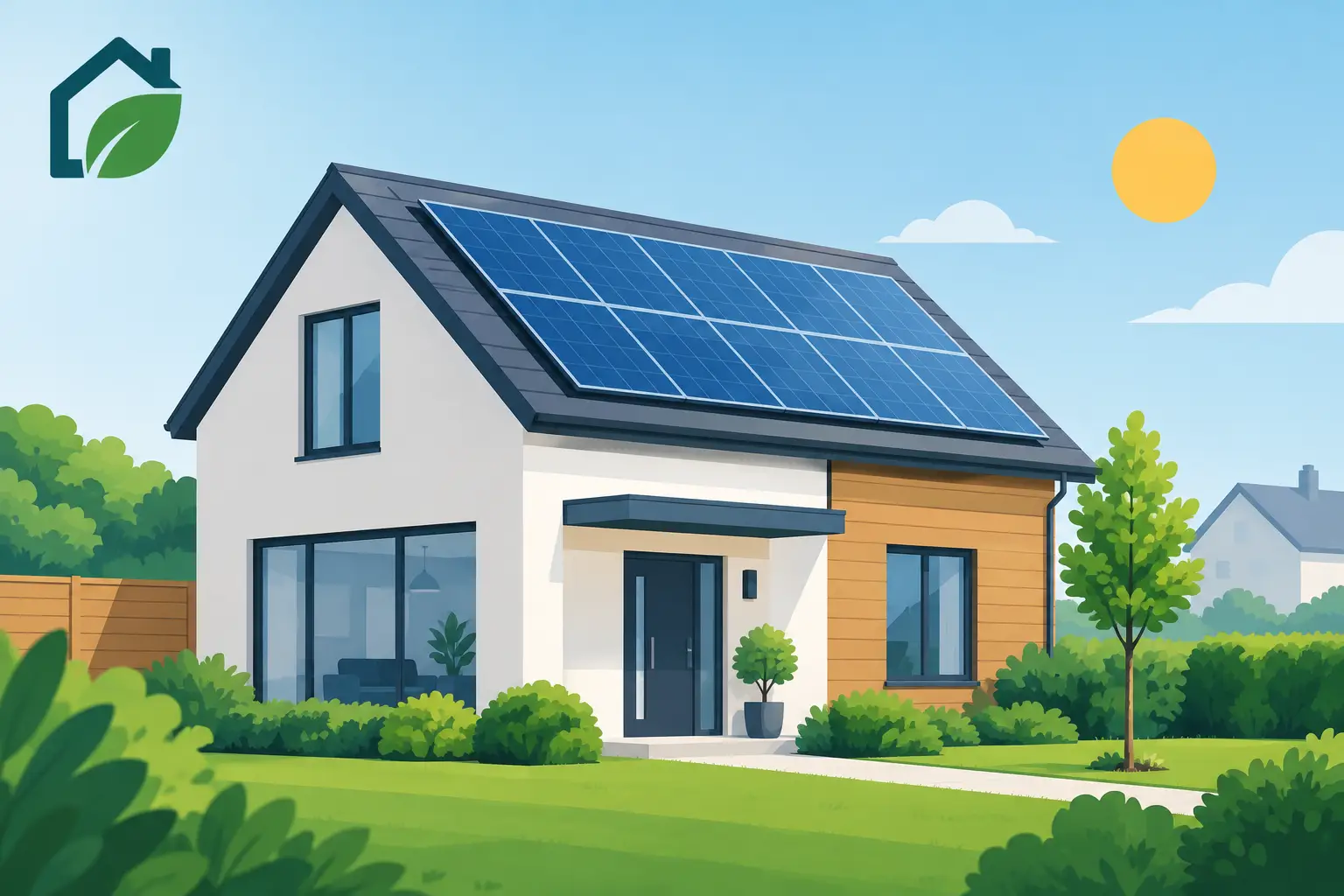

A bright, cold February morning can be surprisingly productive for solar panels. Yet shorter days, low sun angles and heavier cloud mean solar winter performance is naturally lower than it is in late spring or summer. That does not mean your system stops being worthwhile. It means your expectations, system design and energy habits matter more.
For UK households, winter is when grid electricity use often rises. Lights stay on longer, heating systems work harder and more time is spent at home. A well-designed solar and battery system will not remove every winter electricity bill, but it can still generate useful power, reduce imported electricity and give you greater control over how and when you use energy.
What affects solar winter performance?
The biggest factor is daylight. In winter, the UK has fewer daylight hours, and the sun sits lower in the sky. Panels receive less solar energy across the day, particularly on north-facing roofs or roofs affected by nearby trees, chimneys and surrounding buildings.
Cloud cover also has an effect, although solar panels do not need clear blue skies to work. They generate electricity from daylight, including diffuse light passing through clouds. Output will be lower on a dull day, but it is rarely zero. You may see a modest, steady generation figure rather than the higher peaks associated with sunny summer afternoons.
Panel temperature is one of the more encouraging parts of winter performance. Solar panels generally operate more efficiently in cool conditions than in extreme heat. The issue is not that cold weather harms production. It is that there is less available daylight to convert into electricity.
Your roof and system design make a meaningful difference too. South-facing panels are usually well placed for annual generation, while east- and west-facing arrays can spread output more evenly through the morning and afternoon. Neither option is automatically right for every property. The best design depends on roof space, shading, electricity use and whether you plan to add battery storage.
Why winter generation still has value
It is easy to judge solar by the output shown on a grey December day. But solar is a long-term investment designed around annual generation, not a single season. Your system will usually produce more in the brighter months, helping offset the lower output experienced in winter.
Winter generation can still cover part of your home’s daytime demand. That might include your fridge, broadband router, lighting, standby appliances or the electricity used by a heat pump’s controls. On brighter days, it may contribute towards cooking, washing or charging a home battery.
The financial benefit depends on how much of the electricity you generate is used in your property. Every unit of solar energy used directly is a unit you do not need to buy from the grid. When electricity prices are a concern, even lower seasonal generation can make a difference.
For commercial properties, the pattern can be particularly useful where there is reliable daytime demand from lighting, IT equipment, refrigeration or operations. A tailored system should consider the business’s actual load profile rather than relying on a generic estimate.
A battery can make winter solar work harder
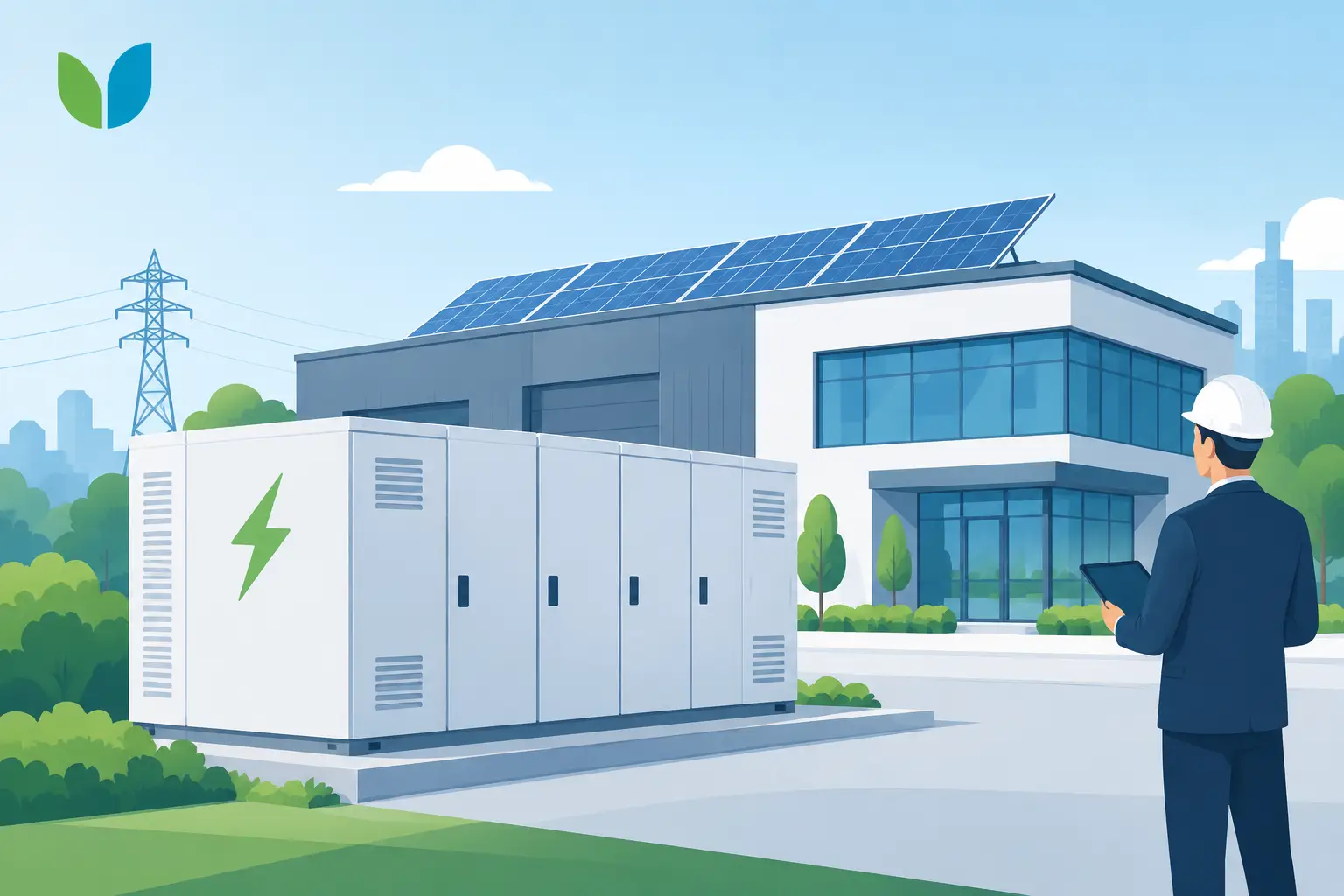
Home battery storage does not create extra solar generation. What it does is help you keep more of the energy your panels produce for when you need it. During winter, that can be especially valuable because electricity demand often peaks in the early morning and evening, outside the strongest daylight hours.
On a brighter winter day, surplus solar can be stored and used after sunset rather than exported straight away. A battery may also be charged from cheaper off-peak electricity tariffs, then used when grid prices are higher. This can improve your overall energy savings even when solar production is reduced.
Battery capacity should be selected carefully. A very large battery is not always the best value if winter solar generation is modest and the battery cannot be regularly filled by your panels. Equally, a battery that is too small may leave useful solar energy unused in spring and summer. The right balance comes from looking at your household’s consumption, likely generation and tariff options over a full year.
How to improve winter solar performance
There are practical ways to get more value from your system without expecting it to behave like it does in June. Start by checking your monitoring app. Regular monitoring helps you understand the difference between normal seasonal variation and a potential fault. If output suddenly drops well below what you would expect for similar conditions, it is worth asking your installer to investigate.
Shade deserves attention. Bare branches, new extensions, satellite dishes and growing trees can cast longer shadows when the winter sun is low. In some cases, careful tree management can improve production. Any work should be considered responsibly, with planning restrictions and the health of the tree in mind.
It also helps to move flexible electricity use into daylight hours where possible. Running the washing machine, dishwasher or tumble dryer during the middle of the day can increase solar self-consumption. This will not always be convenient, and winter output may not cover an entire appliance cycle, but it can reduce the electricity you import.
Keep panels clear of significant debris where it is safe to do so. In the UK, rain will often wash away ordinary dirt, so routine cleaning is not always necessary. However, heavy leaf build-up, bird mess or persistent localised soiling can reduce output. Never climb onto a roof or attempt unsafe cleaning. Professional maintenance is the sensible option where access is difficult.
Snow, frost and rain: should you worry?
Frost does not normally damage properly installed solar panels. Panels are built to operate outdoors through changing British weather, including cold temperatures, wind and rain. A thin frost layer tends to clear as the day warms and is usually not a reason for concern.
Snow can temporarily block light if it settles on the panels. This is generally short-lived in much of the UK, and panels installed at an angle may shed snow as it melts. Do not try to remove snow with abrasive tools, hot water or by climbing onto the roof. The risk of injury and panel damage outweighs the small amount of generation you may recover.
Rainy weather is not ideal for output, but rain also helps rinse dust and light debris from the panel surface. The more relevant question is whether the system is performing in line with seasonal expectations, not whether every day produces a high figure.
Set realistic expectations before installation
An honest solar proposal should show expected annual performance and make clear that monthly generation will vary. If a quoted figure treats every month as though it has summer-level sunlight, it is not a useful basis for a decision.
A professional survey should assess roof orientation, pitch, shading, usable roof area and your electricity consumption. It should also consider future plans, such as an electric vehicle, heat pump or home battery. These changes can alter the value you get from solar and may influence how your system is configured from the outset.
At Infused Solar Energy, this is why the system design stage matters as much as installation day. MCS-certified engineers can design around the property and its energy use, giving you a clearer picture of likely performance throughout the year rather than promising unrealistic winter output.
When should you install solar?
Winter can be a perfectly sensible time to install. You begin generating straight away, gain a full view of your system’s seasonal behaviour and have it in place before the higher-generation months arrive. Installation timing should be based on your readiness to invest and the quality of the proposed design, not on waiting for a particular month.
The most useful way to think about winter is not as a test solar has to pass, but as one part of your annual energy plan. With realistic expectations, a properly designed system and thoughtful use of a battery, your panels can keep supporting lower bills when you need that support most.