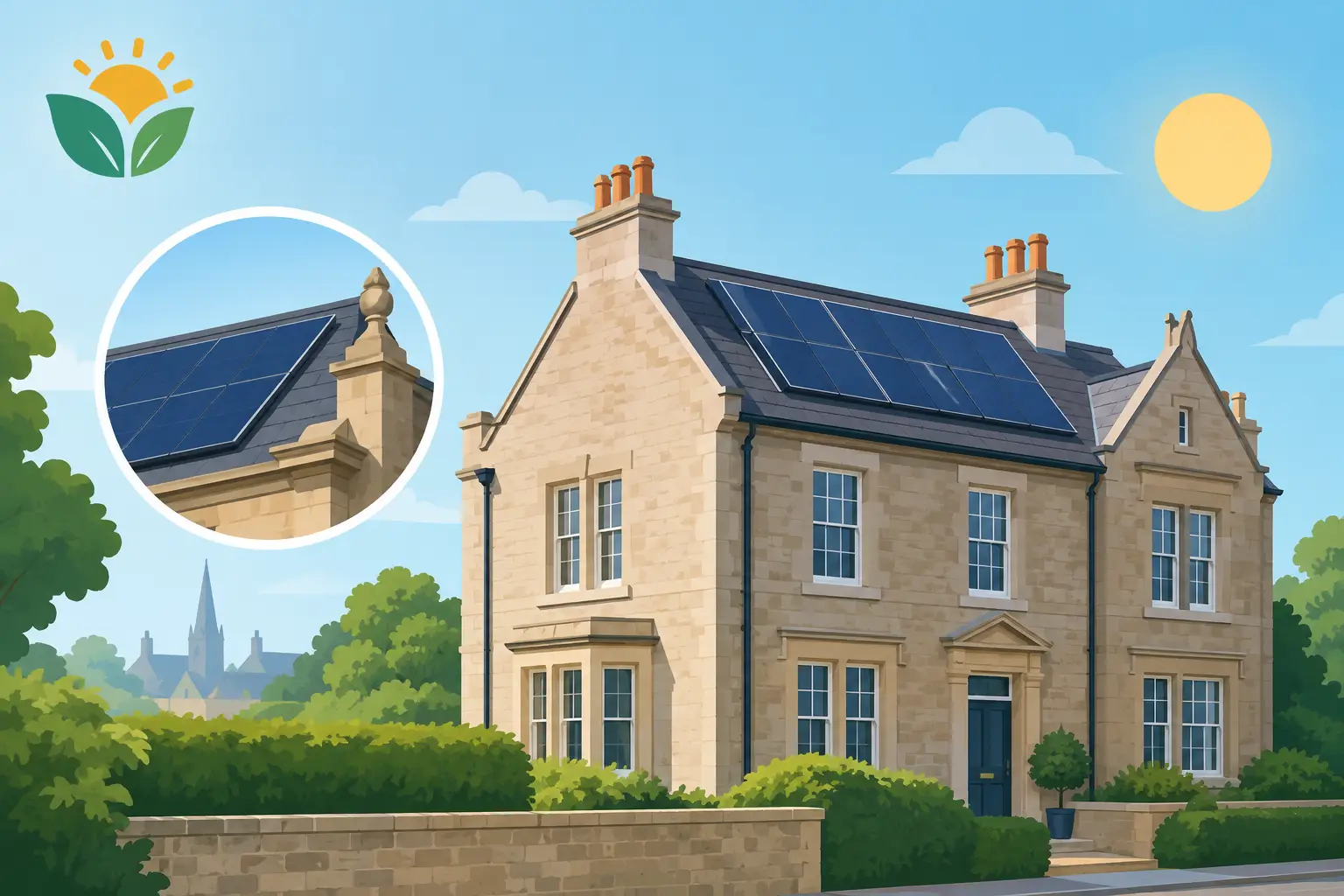
A bright, cold February morning can produce more solar electricity than a warm but overcast summer day. That is why the answer to “do solar panels work in winter” is yes – but their output changes with shorter days, lower sun angles and the British weather.
For homeowners and businesses weighing up solar, winter performance is a sensible question. Electricity use often rises just as daylight falls, particularly where heating, lighting and home working add to demand. A well-designed solar system will not eliminate every winter electricity bill, but it can still generate valuable power, reduce daytime imports and contribute strongly to savings across the full year.
Do solar panels work in winter in the UK?
Yes. Solar panels generate electricity from daylight, not heat. They work whenever light reaches the cells, including on cold, cloudy days. Direct sunshine produces the highest output, but diffuse light through cloud still generates power.
Winter production is lower mainly because there are fewer daylight hours. In December, the UK may receive around eight hours of daylight, compared with well over 16 hours in June. The sun also sits lower in the sky, so its rays reach panels at a less direct angle and are more likely to be affected by shading from trees, chimneys or neighbouring buildings.
This is normal seasonal variation, not a sign that a system is underperforming. Solar is designed around annual generation rather than one month in isolation. In the UK, a typical system produces the majority of its electricity between spring and early autumn, while continuing to generate useful energy throughout winter.
Cold weather can actually help panel efficiency
Solar panels do not need hot weather to work. In fact, photovoltaic cells generally operate more efficiently in cooler temperatures. High heat can reduce their efficiency, whereas a crisp, sunny winter day can create excellent conditions for conversion.
That does not mean winter will outproduce summer overall. The longer days and stronger sunlight of summer remain decisive. But it does correct a common misunderstanding: cold weather itself is not the problem. Less available daylight is.
For a property owner, this distinction matters. A quality installation should be designed for real UK conditions, with panel positioning, roof orientation and shading assessed before installation. The aim is not to promise identical output every month. It is to build a system that delivers dependable annual performance for your property and energy habits.
What happens on cloudy days?
Cloud cover reduces solar generation, sometimes significantly, but it does not stop it completely. Solar panels can still use diffused light passing through clouds. On a bright overcast day, the system may produce a worthwhile amount of electricity, particularly around the middle of the day.
Output can change quickly as cloud moves overhead. That is one reason monitoring is useful: it shows what your system is actually generating and helps you match household usage to the periods when free solar electricity is available.
In winter, simple habits can make a difference. If practical, run the washing machine, dishwasher or other flexible appliances during daylight hours. For commercial sites, some daytime equipment and office loads may naturally align well with generation. The more solar power you use as it is produced, the less electricity you need to buy from the grid.
Does snow stop solar panels working?
A thick layer of snow will block sunlight and temporarily reduce generation. However, snow is usually less disruptive in much of the UK than people expect. Panels are installed at an angle, and a light covering often slides away as temperatures rise or the surface warms in daylight.
Avoid trying to clear panels from a roof yourself. It can be unsafe, and using abrasive tools or putting pressure on the panels risks damage. In most cases, it is better to let the snow clear naturally. If there is a persistent issue, speak to a professional solar installer or maintenance provider for advice.
Frost is rarely a concern. It may sit on the panel surface briefly in the morning, but it normally clears as the day progresses. Rain can also help wash away ordinary dirt and dust, although an occasional professional inspection remains useful for checking the system is clear, safe and performing as expected.
How much electricity will solar panels produce in winter?
The exact figure depends on your location, roof direction, roof pitch, panel capacity, shading and local weather. A south-facing, unshaded roof will generally generate more than an east- or west-facing roof, although east-west systems can be a very good fit for homes that use electricity in the morning and late afternoon.
As a broad guide, winter months account for a smaller share of a system’s annual output. December and January are commonly the quietest months, while generation starts to climb noticeably from February and March. Your proposal should include an annual generation estimate, rather than relying on a single winter-day figure.
It is also worth separating generation from savings. A modest amount of winter generation can still be valuable if it offsets electricity you would otherwise purchase at peak daytime rates. Any surplus exported to the grid may also earn a payment through an export tariff, depending on your energy supplier and tariff terms.
Battery storage makes winter solar more useful
A home battery does not create extra solar generation. What it does is store electricity that would otherwise be exported, so you can use it later when your panels are not producing as much.
In winter, this can be particularly helpful on brighter days. Your panels may generate more than your home needs around midday, while demand rises in the morning and evening when lights, cooking and heating controls are in use. A battery can capture some of that midday surplus for later.
The right battery size depends on your generation profile, electricity consumption, tariff and budget. An oversized battery is not automatically better, especially in winter when there may be less surplus solar available to charge it. Some households also use smart tariffs to charge a battery from lower-cost overnight grid electricity, then use that stored energy at more expensive times. This can improve control over bills, but it should be modelled clearly so you understand where the savings are coming from.
Getting the best winter performance from your system
The most effective step happens before the panels are fitted: proper system design. A site survey should assess roof space, orientation, shading, structural suitability and your typical electricity use. A larger system is not always the right answer, and neither is copying a neighbour’s setup. The best system is one designed around your building and goals.
Once installed, keep an eye on your monitoring app. It can help you see seasonal patterns, identify whether an appliance can be shifted into daylight hours and spot an unexpected drop in generation. A sudden, sustained change may be caused by heavy soiling, a fault or a communication issue, and it is worth raising with your installer.
Also consider the shade that may develop over time. Bare branches in winter can still cast shadows when the sun is low, while trees that seem harmless in summer may affect early morning or late afternoon production. Any tree work should be approached carefully and within local rules, but shading is always worth discussing during a survey.
Solar is an annual investment, not a summer-only upgrade
It is understandable to look out of the window during a grey January week and question whether solar is worthwhile. But a solar system is not judged by its lowest-output days. It is judged by how much useful electricity it produces over years of operation, how much grid electricity it displaces and how well it supports your wider energy plans.
For many households, solar works best alongside sensible energy use, a suitable export tariff and, where it fits, battery storage. For businesses, it can reduce the cost of predictable daytime loads and support longer-term sustainability goals.
At Infused Solar Energy, the focus is on designing a system around the property rather than selling a one-size-fits-all package. An MCS-certified installation, clear generation expectations and ongoing support give you a practical view of what solar can deliver through every season.
Winter does not switch solar off. It simply makes good design, realistic expectations and smart use of your generated electricity even more valuable.