If your electricity bills keep creeping up and you are wondering whether solar could take over more than just a few appliances, you are asking the right question: can solar panels run a whole house? The honest answer is yes, they can, but not in exactly the same way for every home. It depends on how much electricity you use, when you use it, how much roof space you have, and whether you pair your panels with battery storage.
For most UK homeowners, the better question is not simply whether solar can power everything in theory. It is whether a properly designed system can cover enough of your household demand to make a real difference to bills, energy independence and long-term value. In many cases, it absolutely can.
Can solar panels run a whole house in the UK?
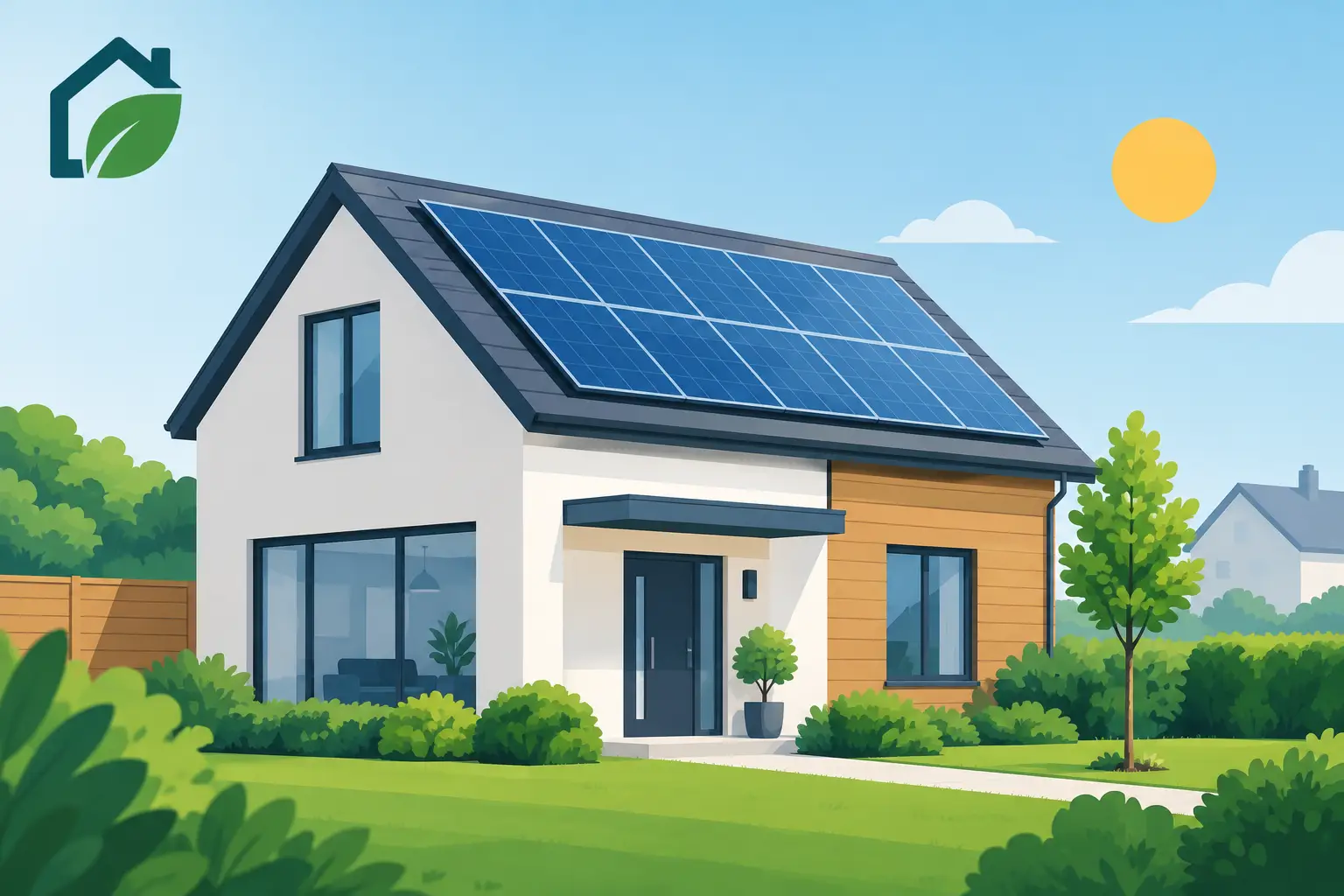
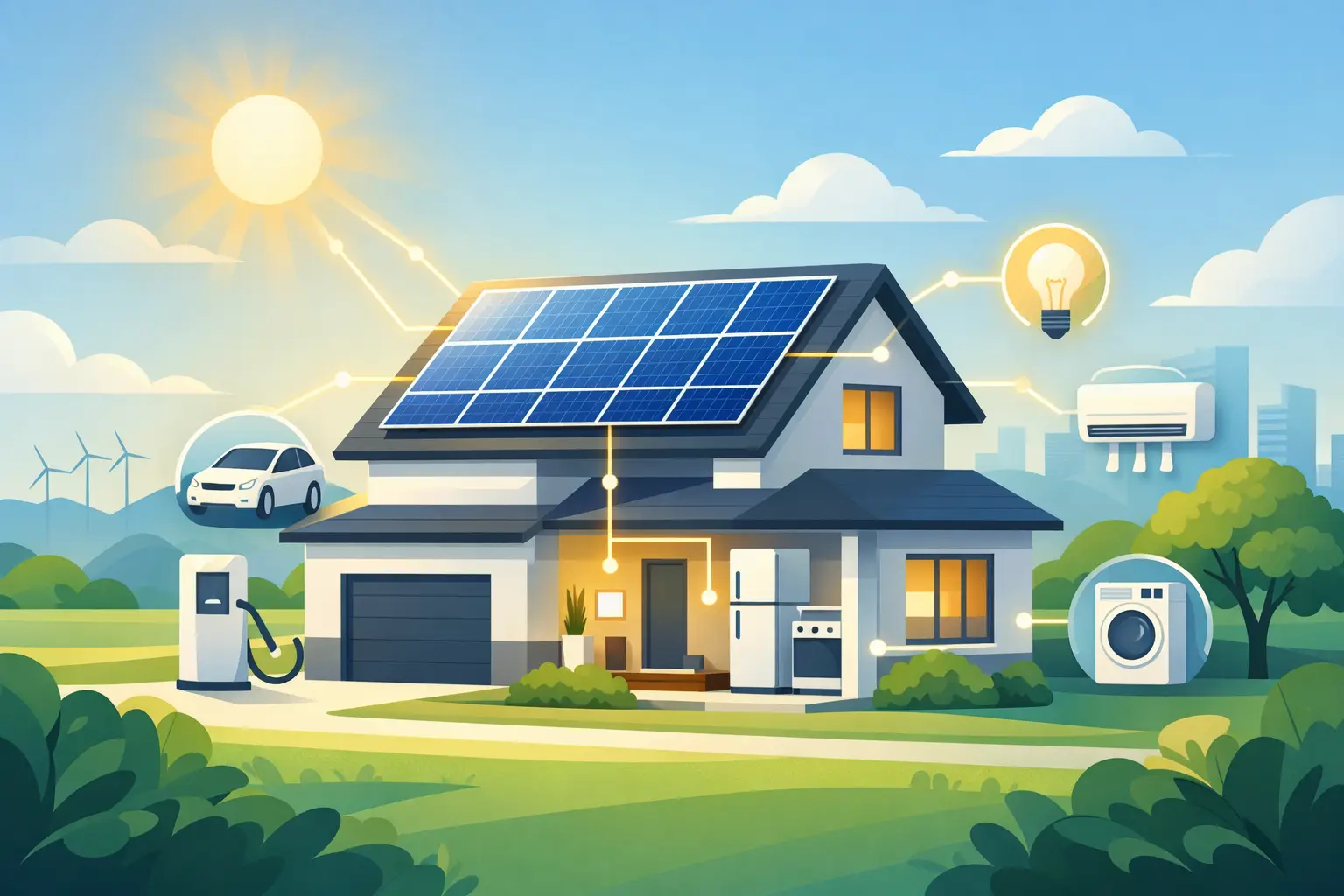
Yes, solar panels can run a whole house, but the result depends on system design and expectations. During daylight hours, a well-sized solar system can power your lights, appliances, sockets and day-to-day electrical use. If your system is generating more than your home is using at that moment, the extra electricity can either charge a battery or be exported back to the grid.
The challenge comes in the evening, overnight and during darker winter days. Solar panels only generate when there is daylight, and UK output changes with the seasons. That means a home that feels largely solar-powered in June may still need substantial grid electricity in December.
This is why whole-house solar is usually about annual coverage rather than complete off-grid living. A home may generate a large proportion of its yearly electricity from solar, while still drawing from the grid at certain times. With battery storage, that coverage can improve significantly because you can use more of your own electricity after the sun has gone down.
What determines whether solar can power your entire home?
The biggest factor is electricity usage. A smaller, energy-efficient home with gas central heating will usually need far less solar capacity than a larger all-electric property with heat pumps, electric cooking and an EV charger. Two households can live in similar-looking homes and have very different energy demands.
Roof space matters too. The more suitable roof area you have, the more panels you can install. Orientation, pitch and shading all affect performance. A south-facing roof is often ideal, but east and west-facing roofs can still work very well, especially when the system is designed properly.
Then there is timing. Solar generation peaks in the middle of the day, but many households use more electricity in the morning and evening. If nobody is home during the day, a battery becomes far more valuable because it stores spare daytime generation for later use.
A tailored design makes all the difference. This is where professional system sizing matters. An installer should look at your current usage, future plans and property layout instead of offering a one-size-fits-all package.
How many solar panels does a whole house need?
There is no universal number, but most UK homes need somewhere between 8 and 16 panels for meaningful coverage, with some larger homes needing more. The exact figure depends on panel wattage and annual consumption.
As a simple example, a home using around 2,700 to 3,500 kWh per year may be well served by a modest residential system if the roof is suitable. A family home using 4,500 kWh or more may need a larger array to cover a strong share of demand. If the property also runs a battery, heat pump or electric vehicle, system sizing should account for that from the start.
It is worth remembering that panel count alone does not tell the full story. Modern higher-efficiency panels can produce more power in less space. A smaller number of premium panels may outperform a larger system built with lower-output modules, especially where roof space is limited.
Why battery storage changes the answer
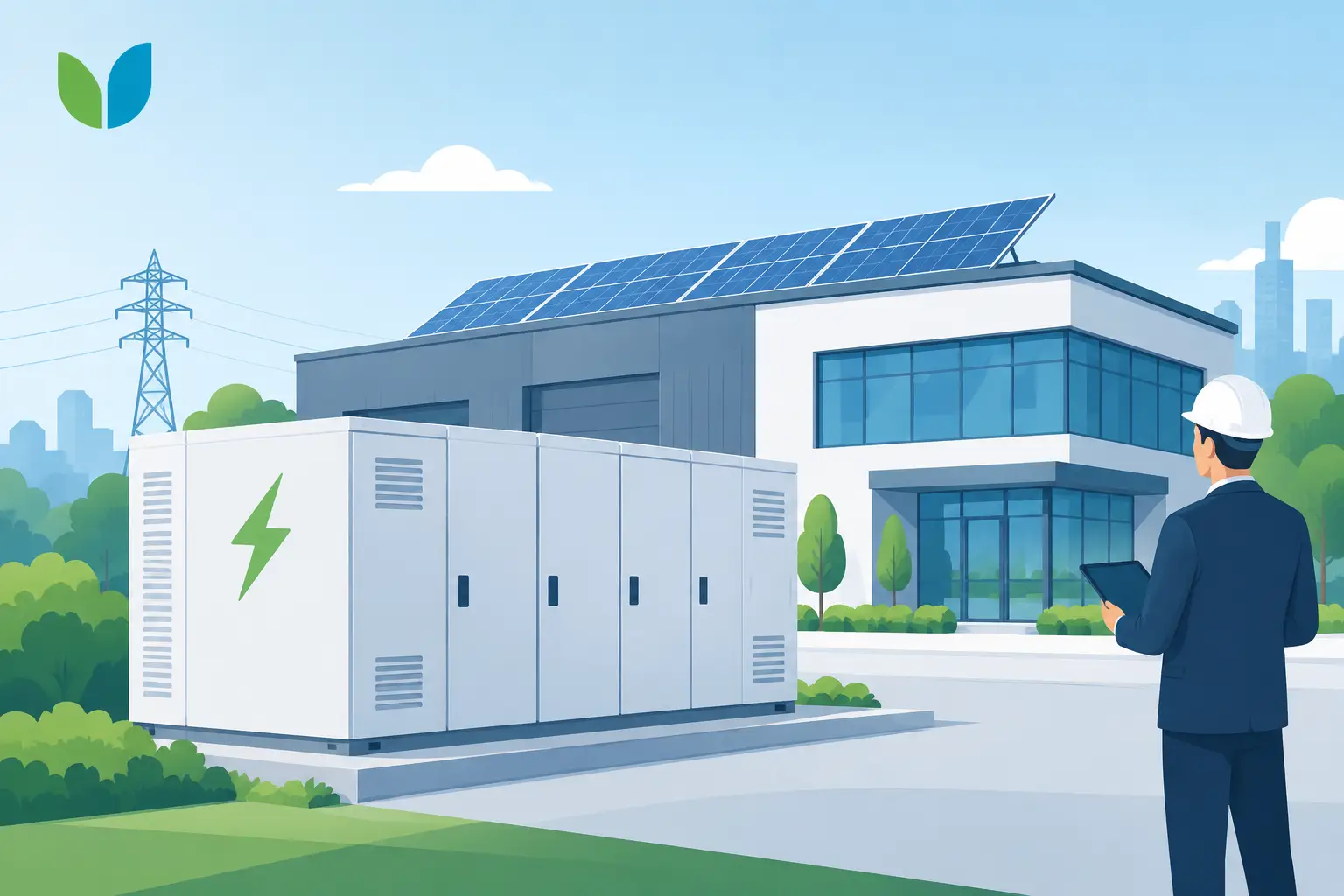
If you are asking can solar panels run a whole house, battery storage is often the missing piece. Without a battery, your home uses solar electricity as it is generated. Any unused power is exported. Once the sun drops, your property starts importing from the grid again.
With a battery, surplus daytime electricity is stored and used later. That means your evening cooking, lighting, television and other household demand can run on solar energy generated earlier in the day. This improves self-consumption and reduces reliance on imported electricity.
For many households, batteries are what turn solar from a bill-saving upgrade into a much stronger step towards energy control. They do not make every home fully self-sufficient, but they can make a noticeable difference to how much of your own electricity you actually use.
There is still a trade-off. Batteries add upfront cost, so the right choice depends on your usage pattern, budget and long-term goals. For some homes, solar panels alone deliver strong value. For others, especially households with higher evening demand, battery storage makes much better financial sense.
What about winter and cloudy weather?
This is where realistic expectations matter. Solar panels still generate electricity on cloudy days, just at lower levels. They do not stop working because the weather is overcast. In the UK, they can produce useful energy throughout the year, but output drops in winter because there are fewer daylight hours and the sun sits lower in the sky.
So, can solar panels run a whole house in January? Possibly for parts of the day, but most homes will still need some grid support during winter months. In summer, the picture is very different. Long daylight hours often mean much higher generation and far greater self-sufficiency.
The goal is not usually to eliminate the grid every single day of the year. It is to reduce your dependence on it as much as possible in a way that makes financial and practical sense.
Can you go completely off-grid?
Technically, yes, but for most UK homeowners it is not the most practical or cost-effective route. Going fully off-grid requires a much larger system, substantial battery capacity and careful energy management. You need enough generation and storage to cope with winter conditions, not just summer performance.
That usually means higher installation costs and more compromise on how and when electricity is used. For the average household, staying grid-connected while producing as much of your own power as possible is the smarter balance. You get lower bills, more resilience and fewer limitations.
For that reason, most residential systems are designed to maximise savings and self-use rather than to cut the cord entirely.
Is whole-house solar worth it?
For many homeowners, yes. The value comes from more than one direction. Lower electricity bills are the obvious benefit, but there is also protection from future energy price rises, better control over household usage and the satisfaction of generating your own clean electricity.
Solar also tends to work best as a long-term investment. The right system should be designed around your home, your habits and your future plans, not just your current bill. If you are likely to add battery storage, buy an electric car or install a heat pump later, it makes sense to factor that in early.
This is why clear advice matters. A trustworthy installer should explain expected generation, likely savings, roof suitability and payback in plain English. No exaggerated promises, just honest figures and a system that fits how you actually live.
At Infused Solar Energy, that is exactly how we approach it – practical recommendations, bespoke design and support from survey through to installation and aftercare.
What should homeowners do next?
If you are seriously considering solar, start by looking at your annual electricity usage and your daily habits. When do you use the most power? Do you work from home? Are you planning to add an EV charger or battery? Those details shape the right system.
Then look at your roof. Size, direction and shading all play a role, but many homes are more suitable than owners expect. A proper site survey gives you a much clearer answer than online guesswork ever will.
The key point is this: yes, solar panels can run a whole house, but the best results come from careful design, realistic expectations and equipment that matches your property. Done properly, solar is not just a way to trim a bill. It is a smart way to own more of your energy and rely less on rising grid costs.
If you want a straightforward answer for your own home, the next step is not a generic calculator. It is a proper assessment by a qualified installer who can show you what your roof can deliver and what that would mean in real numbers. That is where confidence starts.