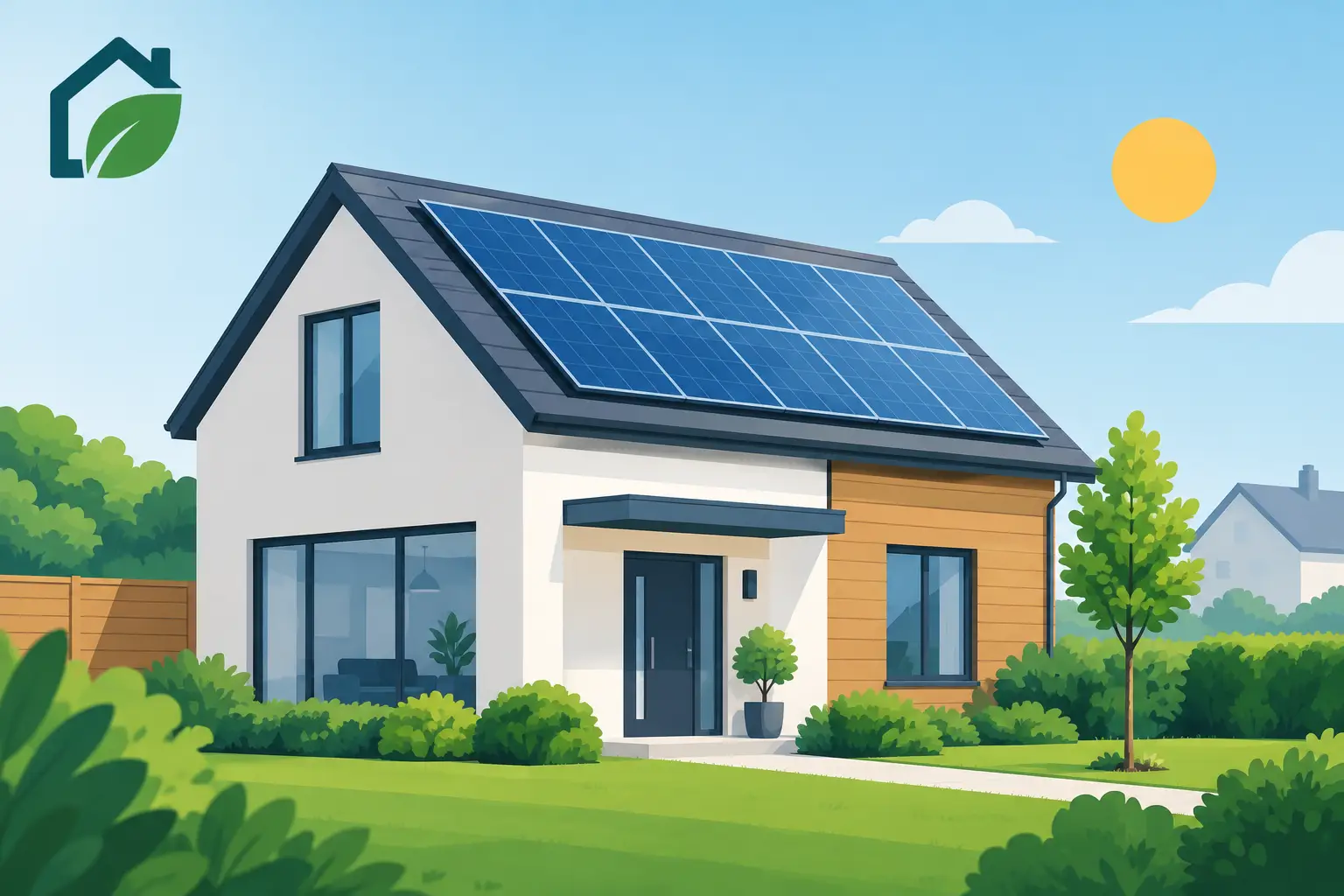
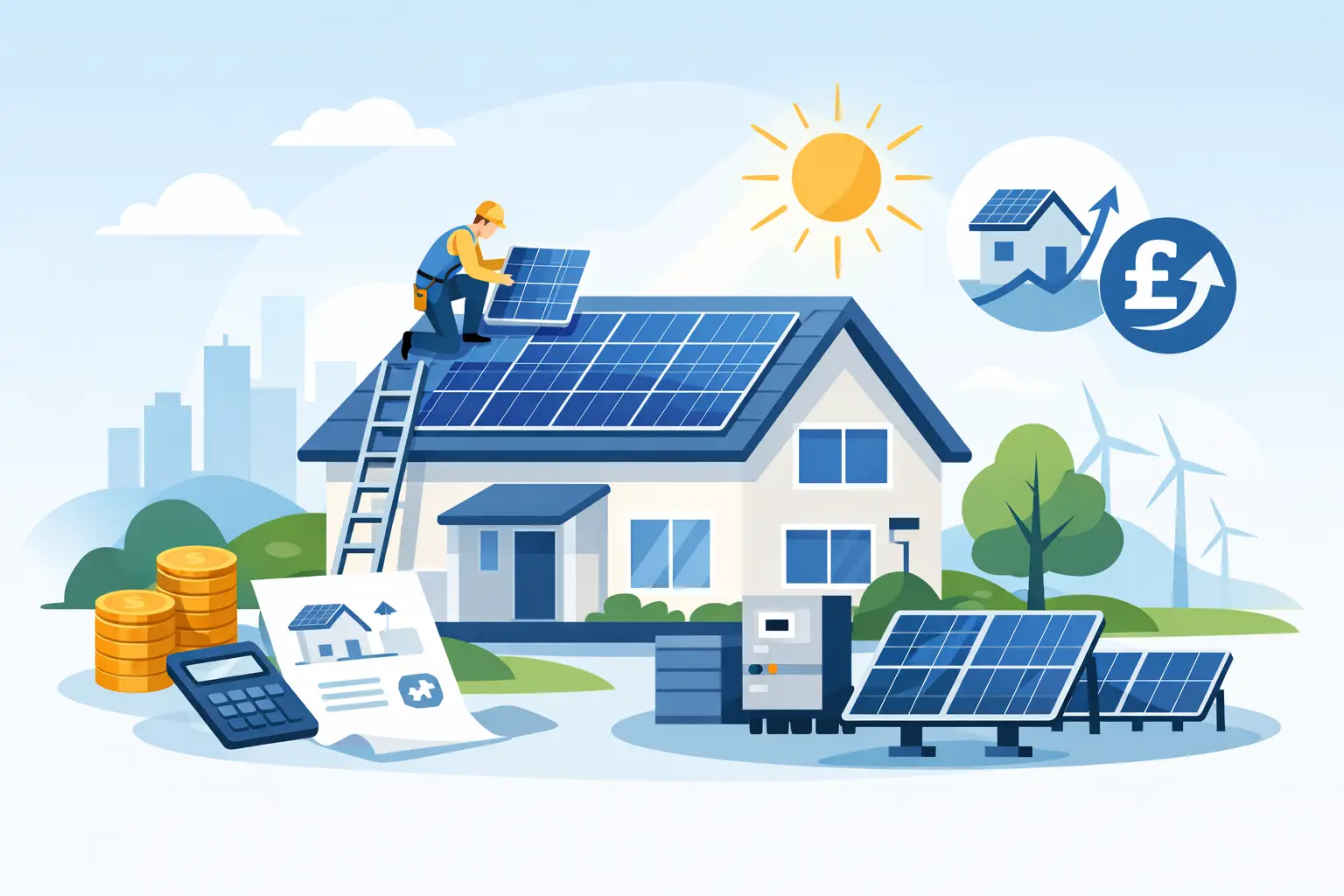
If you have opened an energy bill lately and wondered whether solar finally makes financial sense, you are not alone. For most homeowners, the real question is not whether solar works – it is what the house solar panel installation cost will be, and whether the savings justify the upfront spend.
The short answer is that a typical UK home solar system often falls somewhere between £5,000 and £10,000, with higher costs if you add battery storage or need more complex installation work. That range is wide for a reason. The final figure depends on your roof, how much electricity you use, the size of the system, and the quality of the equipment and installation.
A good installer should make that clear from the start. Solar is not a one-size-fits-all purchase. It is a tailored home upgrade, and the best value usually comes from a system designed around your property rather than the cheapest quote on paper.
What affects house solar panel installation cost?
The biggest factor is system size. A smaller home with modest daytime electricity use may only need a 3kW to 4kW system. A larger family home with higher usage, electric vehicle charging, or plans to add a battery may benefit from something bigger. More panels usually means higher upfront cost, but it can also mean stronger long-term savings if your home can use the energy effectively.
Roof characteristics matter too. A simple, south-facing roof with good access is generally the most cost-effective to work on. If your roof has multiple pitches, limited access, shading from trees or neighbouring buildings, or needs specialist scaffold arrangements, the price can rise. None of that automatically makes solar a poor option, but it does affect labour time and installation complexity.
Panel quality and inverter choice also change the number. There is a difference between a budget-led system and one built for stronger efficiency, longer warranties, and more dependable performance. The same applies to workmanship. MCS-certified design and installation, proper system commissioning, and solid aftercare all add value, even if they are not the cheapest route at the quote stage.
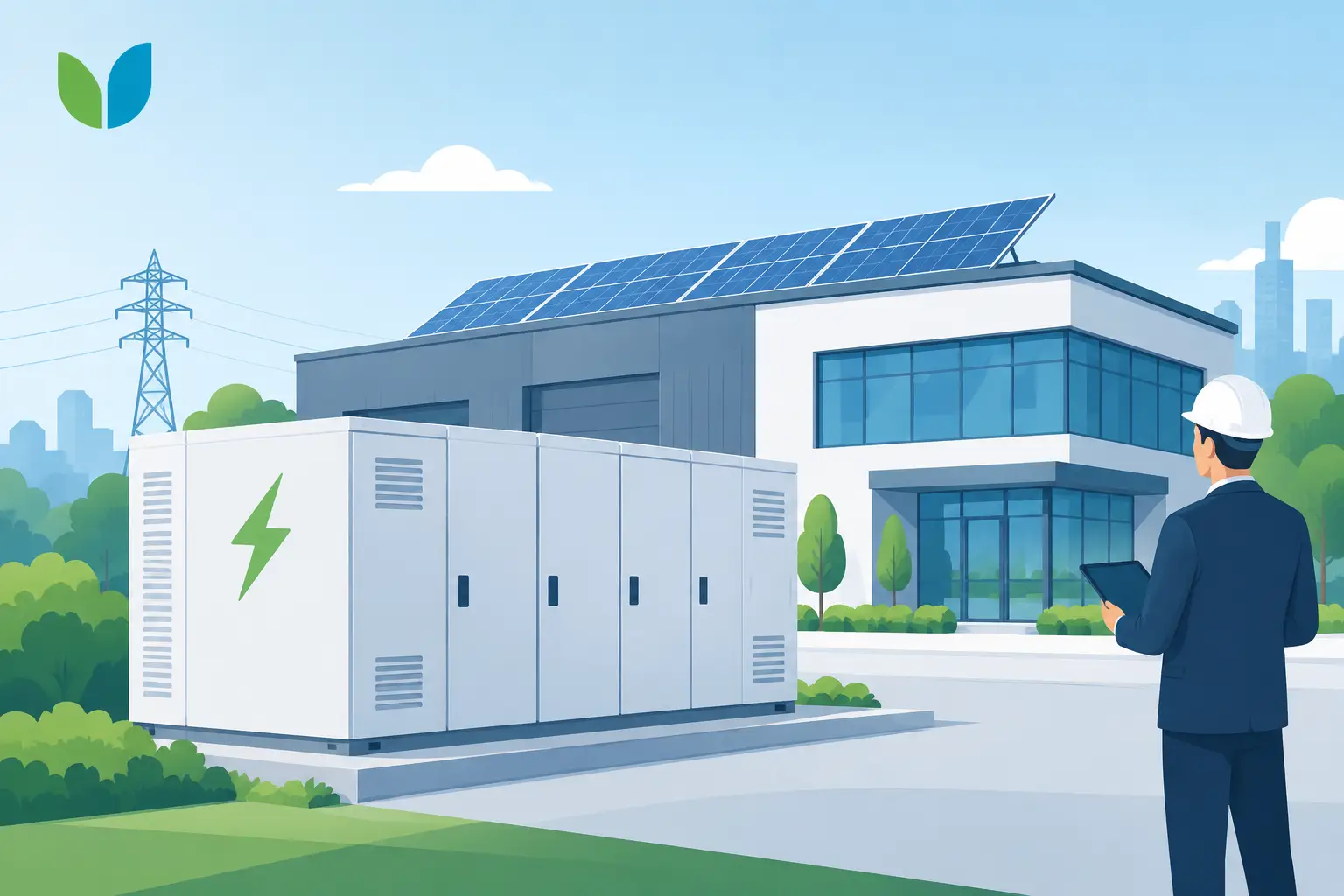
Then there is battery storage. Many homeowners ask about batteries because they want to use more of their solar power in the evening rather than exporting it back to the grid. That can improve energy independence and help you get more from your generation, but it adds to the upfront investment.
Typical price ranges for UK homes
As a broad guide, many UK homeowners can expect rough price ranges like these.
A smaller residential system, often suited to lower electricity use, may come in at around £5,000 to £6,500. A mid-range system for an average family home might sit closer to £6,500 to £8,500. A larger setup, especially if paired with battery storage, can move beyond £9,000 and into five figures.
These are not fixed prices, and they should not replace a proper survey. They are simply useful planning numbers. If you receive a quote that looks far below the market, it is worth asking what is missing. Sometimes lower-cost proposals leave out monitoring, use lower-spec components, or reduce the level of aftercare and warranty support.
That is where transparency matters. A trustworthy installer will explain what is included, what performance you can realistically expect, and how the system has been sized for your home.
Why two quotes can look very different
It is common for homeowners to compare quotes and feel confused by the gap between them. One installer may recommend a smaller system based purely on roof space, while another designs around your actual electricity habits. One may include premium panels, battery-ready equipment, bird protection, monitoring setup, and full handover support. Another may keep the headline number low by stripping those items out.
The cheapest figure is not always the lowest lifetime cost. If a system underperforms, uses less reliable hardware, or leaves you without clear support after installation, the value can disappear quickly. Solar should reduce stress, not create it.
This is why many homeowners prefer a full-service approach. When the same company handles survey, design, installation, and aftercare, there is more accountability and usually a smoother customer experience.
Is battery storage worth the extra cost?
For some homes, yes. For others, not straight away.
A battery increases your overall system cost, but it can make your solar power far more useful. Without a battery, your home uses solar electricity as it is generated, mainly during daylight hours. With a battery, unused energy can be stored for evening use, when many households actually need it most.
That said, the best choice depends on your routine. If somebody is usually at home during the day and can run appliances while the panels are generating, the value of a battery may be lower. If the house is empty until late afternoon, battery storage can be much more attractive.
Some homeowners also choose to install solar panels first and add a battery later. That can be a sensible balance if you want to reduce the initial spend while keeping future flexibility.
How much can solar save you?
Savings depend on how much electricity you use, when you use it, your export arrangement, and local energy prices. There is no honest fixed number that suits every home.
In general, a well-designed system can reduce your dependence on imported grid electricity and protect you from some future price rises. Homes that use a good portion of their solar power directly usually see stronger savings than those that export most of it. If you add battery storage, savings can improve again, though you need to weigh that against the added installation cost.
It also helps to think beyond the monthly bill. Solar can increase control over your energy use and make your home less exposed to unpredictable tariffs. For many families, that stability matters almost as much as the pure payback calculation.
House solar panel installation cost and payback time
Most homeowners want to know when the system will pay for itself. A realistic payback period in the UK often sits somewhere around several years rather than just a few, but the exact timeline varies widely.
If your installation cost is lower, your daytime energy use is high, and your system is well matched to the property, payback tends to be stronger. If your roof is less ideal or you choose premium equipment with battery storage, the return can take longer. That does not make it a bad investment. It simply means the decision should be based on both savings and wider benefits such as resilience, control, and long-term value.
The right installer should be able to talk you through expected generation, likely self-consumption, and realistic savings without overpromising. If the figures sound too perfect, they probably are.
What should be included in the price?
A proper quote should cover more than panels on a roof. It should include site assessment, system design, mounting equipment, inverter, electrical work, installation labour, commissioning, and clear handover information. If monitoring is included, that should be stated. If warranties differ between products and workmanship, that should be clear too.
You should also know whether scaffolding, DNO notification requirements, and any optional extras are included. Clarity here prevents awkward surprises later.
For homeowners choosing a company such as Infused Solar Energy, the appeal is often that the process feels managed from start to finish. That matters. Solar is one of the smartest home investments you can make, but only when the design, installation quality, and support are handled properly.
How to judge value, not just cost
A sensible solar decision is rarely about finding the lowest number. It is about finding the best fit for your home and your goals.
If your priority is cutting bills quickly, a well-sized panel-only system may be the best route. If your priority is using more of your own energy and building greater independence, a battery may be worth the extra spend. If you plan to stay in the property long term, it often makes sense to focus on quality, reliability, and aftercare rather than shaving a small amount off the upfront price.
Ask simple questions. How was the system sized? What assumptions have been made about your usage? What is included in the quote? Who do you call if you need support after installation? Clear answers usually tell you more than sales language ever will.
The house solar panel installation cost is important, but it is only one part of the decision. The better question is what that cost buys you over the next ten, fifteen, or twenty years. If the system is properly designed, professionally installed, and built around how your household actually uses electricity, solar stops feeling like a gamble and starts looking like exactly what it should be – a practical way to own your energy.