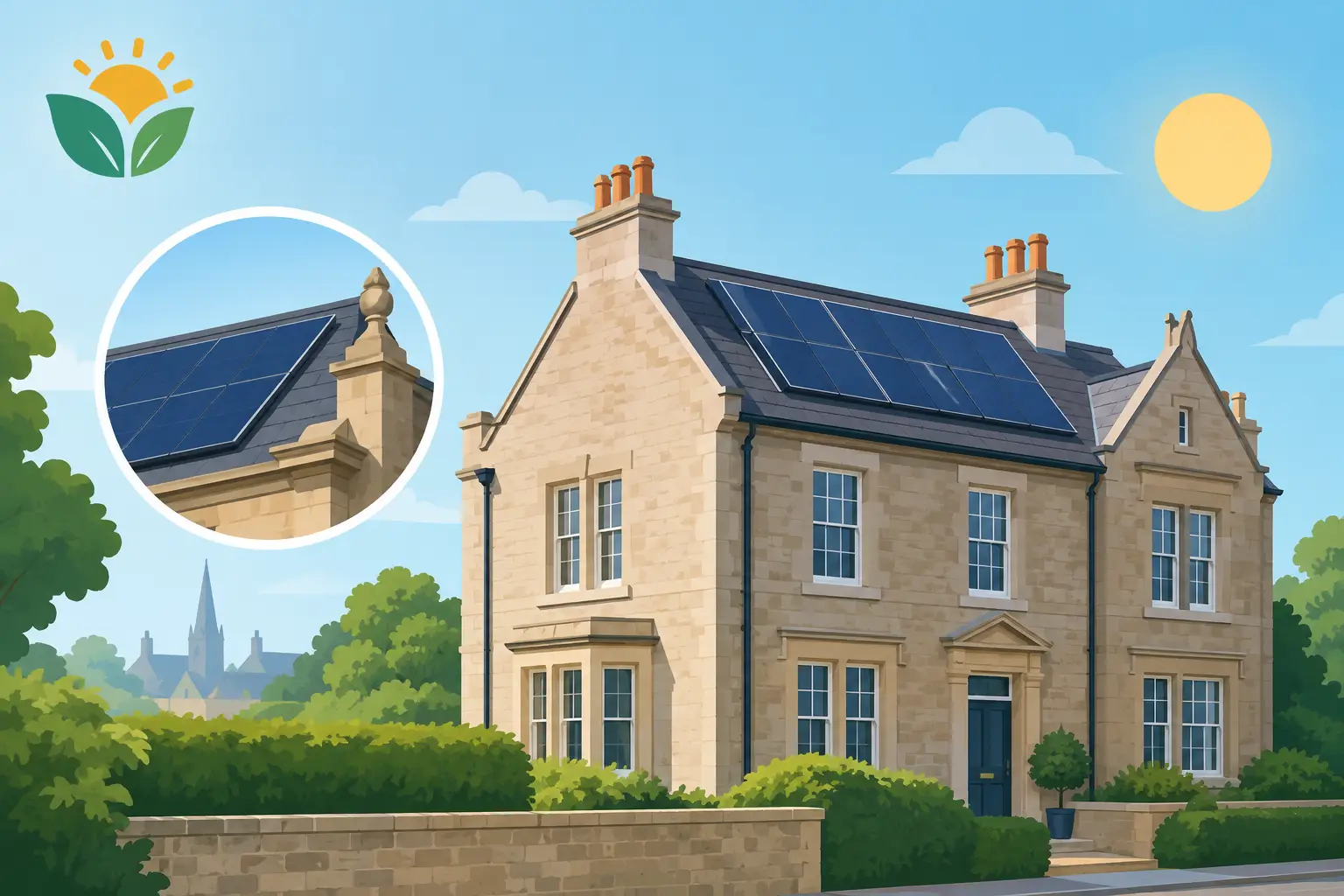
A bright summer day can make a low generation figure feel alarming, particularly when you are relying on solar to reduce household or business electricity costs. If you are asking, why is my solar output low, the answer is not always a fault. Solar production changes constantly with the weather, season and your system’s operating conditions. The useful question is whether your generation is lower than it should be for that particular day.
Before assuming the panels are underperforming, compare like with like. Look at output on a similar day last week or the same period last year, rather than comparing a cloudy March day with a clear day in June. Your monitoring app, inverter display and smart meter can provide valuable clues, but the figures need a little context.
Why Is My Solar Output Low on Some Days?
In the UK, sunlight levels vary more than many new solar owners expect. Solar panels generate electricity from daylight, not just direct sunshine, so they will still produce power under cloud cover. However, thick cloud, rain and low winter sun can reduce output substantially.
A well-designed system may produce several times more electricity in June than it does in December. Shorter days, a lower sun angle and more frequent cloud are all part of normal seasonal performance. Cold, clear weather can actually suit solar panels because panels work more efficiently at lower temperatures, but there is less available daylight in winter.
It also matters what you mean by “low”. A 4 kW system will not normally generate 4 kW all day. That is its peak capacity under controlled test conditions. In real life, the output rises in the morning, reaches its highest point around the middle of the day, then falls again. Passing cloud can make that curve uneven within minutes.
Check the Difference Between Generation and Savings
A system can be generating well while your electricity bill remains higher than expected. This often happens when more power is being used in the home or premises at the same time.
For example, an electric shower, oven, kettle, heat pump, EV charger or commercial equipment can use more electricity than the panels are producing. The system may be working correctly, but you may still need to buy power from the grid. Your monitoring platform should show generation separately from consumption, import and export. Reviewing all four figures gives a clearer picture than looking at generation alone.
If you have battery storage, check its settings too. A battery may be holding energy for later use, charging from solar, or operating according to an off-peak tariff schedule. That can change what you see on your app without indicating a problem.
Common Causes of Lower Solar Panel Performance
Some causes are straightforward and temporary. Others need professional investigation. The most common issues include the following.
- New or increased shading. Trees grow, neighbouring extensions are built and seasonal foliage changes. Even shade affecting one panel can reduce the performance of part of an array, depending on the system design.
- Dirt, bird droppings or debris. A light coating of rain-borne dust rarely causes a major issue, but concentrated soiling, leaves or bird droppings can block daylight from individual cells. This is more likely around trees, farms, busy roads and coastal locations.
- A tripped isolator or inverter fault. The inverter converts the electricity produced by your panels into usable AC electricity. If it displays a warning, error code or no generation during daylight, it needs attention.
- A grid interruption. Solar systems are designed to shut down during a power cut for safety. They may take a few minutes to reconnect once the grid supply returns.
- Equipment or connection issues. Damaged cabling, a loose connection, failed optimiser or inverter fault can reduce or stop output. These checks should be carried out by a qualified professional, not by accessing the roof or electrical components yourself.
Look for Patterns Before You Worry
A single poor day rarely tells you much. Patterns are more revealing. If output has gradually reduced across several months, consider shading, soiling or changes to your property and surroundings. If production suddenly drops to near zero on an otherwise bright day, check the inverter display and consumer unit first.
Most inverters use simple status lights or app notifications. A green operating light usually indicates normal generation, while red or flashing warning lights may indicate a fault. Note any error code, the date and time it appeared, and whether the issue happens repeatedly. This gives your installer a much better starting point.
It is also worth checking that your monitoring connection is online. A Wi-Fi or broadband issue can make an app show delayed or missing information even when the panels are producing normally. The inverter display, if available, is often the best immediate reference point.
Shading Can Have a Bigger Effect Than Expected
Solar design should account for known shading before installation, but conditions can change over time. A small shadow from a chimney, aerial or tree may move across the panels as the sun changes position. The impact depends on the layout of the array and whether your system uses optimisers or microinverters.
This is why trimming a tree is not automatically the right answer. The tree may be protected, belong to a neighbour, or only affect output at a time when generation is already low. A proper assessment can establish whether the lost generation justifies any work. It can also identify whether a panel-level solution would be more suitable than altering the surroundings.
Do Solar Panels Need Cleaning?
For many UK homes, regular rainfall removes most loose dust and pollen. Routine cleaning is not always necessary, and climbing onto a roof can create a safety risk or damage equipment if it is done incorrectly.
Cleaning may be worthwhile where there is obvious build-up, repeated bird fouling, nearby agricultural activity, heavy traffic pollution or a shallow panel angle where dirt is less likely to wash away. Never use abrasive products, pressure washers or harsh chemicals. If access is difficult or the panels appear heavily soiled, arrange a professional inspection rather than taking risks at height.
When Low Output Needs Professional Attention
Arrange a maintenance visit if your system has shown a sustained, unexplained decline in generation, if the inverter reports a persistent fault, or if one part of the array appears to be performing differently from another. You should also seek advice after storm damage, roof work, pest activity around cables or an electrical alteration at the property.
A professional inspection can check the inverter, isolators, electrical connections, panel condition and monitoring data. It can separate normal seasonal variation from a genuine performance issue, without guesswork. For systems with batteries, the review should include battery health, operating mode and charging schedule as well.
At Infused Solar Energy, ongoing support is part of helping customers own their energy with confidence. A properly designed system should be easy to understand, but it should also have knowledgeable support behind it when the figures do not look right.
Make the Most of the Power You Generate
Once you know your system is operating as expected, the next opportunity is using more of that solar electricity while it is being generated. Schedule flexible tasks such as washing, dishwashing and EV charging for the middle of the day where practical. Businesses can often shift suitable equipment or charging activity into daylight hours too.
Battery storage can help you retain surplus solar power for the evening, although the right battery size depends on your generation profile, household demand, tariff and budget. It is not essential for every property, but it can improve self-consumption and give you more control over when you use the energy you generate.
Low output is sometimes a fault, but often it is simply the reality of a British winter, passing cloud or a change in how energy is being measured. Start with the data, look for a pattern, and ask for a professional check when the evidence points beyond normal variation. That approach protects your investment and keeps your solar system working towards lower bills for years to come.