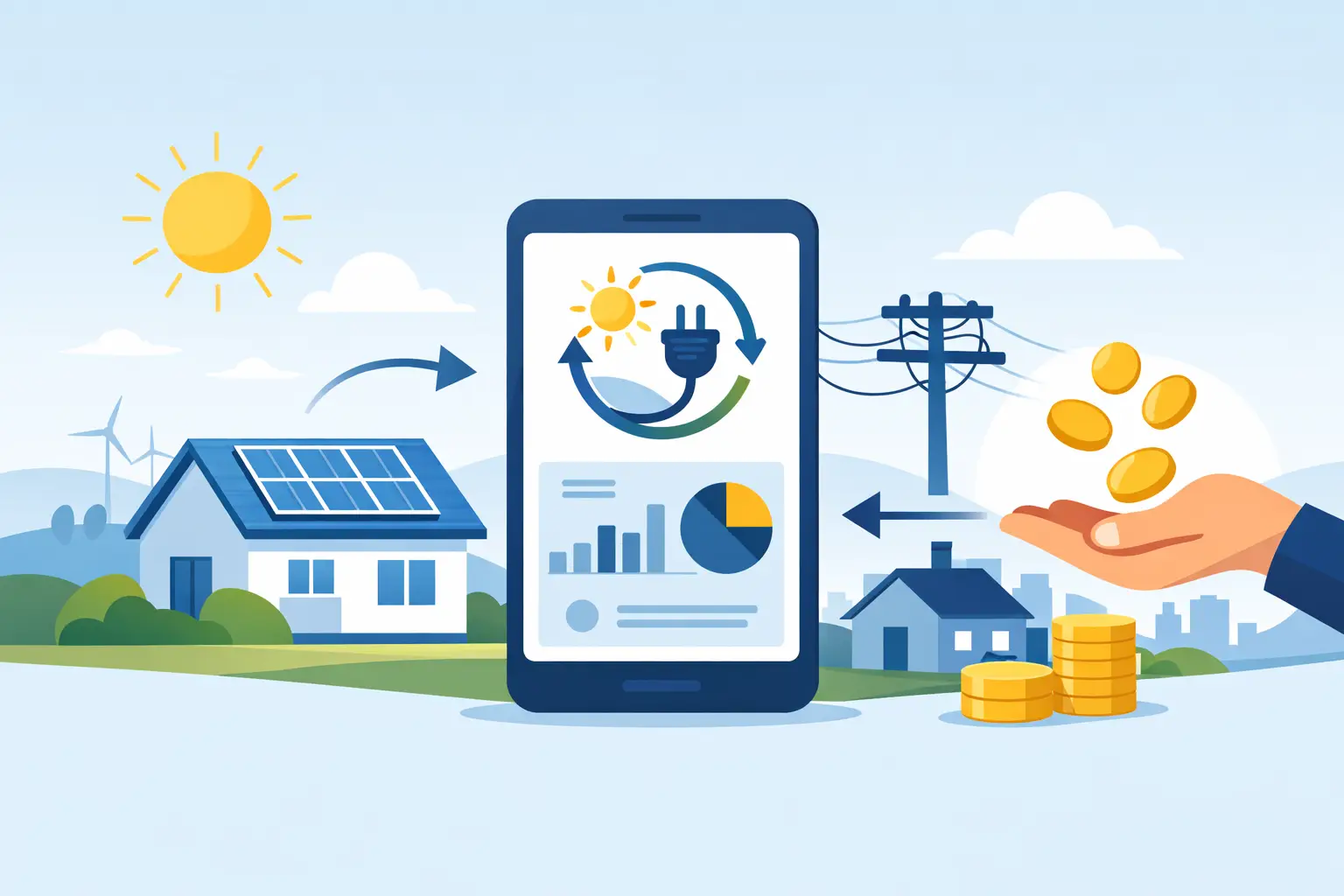
If you have solar panels on your home or commercial property, the electricity you do not use straight away does not have to go to waste. A smart export guarantee guide is really about one practical question: how do you get paid properly for the excess power your system sends back to the grid? For many UK property owners, that answer can make a good solar investment even better.
The Smart Export Guarantee, usually shortened to SEG, is a government-backed scheme that requires certain electricity suppliers to pay small-scale low-carbon generators for exported electricity. In plain terms, if your solar panels produce more power than your property needs at that moment, the surplus can be exported to the grid and your supplier may pay you for it.
That sounds simple, but the detail matters. Rates vary, eligibility rules apply, and the best option depends on how your system is set up and how you use energy day to day. If you are weighing up solar, or already have a system installed, understanding SEG helps you see the full financial picture.
What the Smart Export Guarantee actually does
The Smart Export Guarantee replaced the older Feed-in Tariff scheme for new applicants. Unlike the Feed-in Tariff, SEG does not pay you for every unit your system generates. It pays for the electricity you export.
That difference is worth understanding. Your financial return from solar usually comes from two places: the electricity you use yourself, which reduces the amount you need to buy from the grid, and the electricity you cannot use at the time, which may earn an export payment through SEG.
For most households, self-consumption delivers the bigger saving because imported electricity is usually more expensive than the amount suppliers pay for exported electricity. That is why system design matters. A well-sized solar and battery setup can help you keep more of your own generation on site, while SEG gives you value for the rest.
Smart export guarantee guide: who can qualify?
To qualify for SEG, your system must meet certain requirements. In most domestic cases, the generation technology will be solar PV, though other eligible low-carbon technologies exist. Your installation also needs to be classed as small-scale, and your equipment and installer usually need to meet recognised standards.
For homeowners, one of the most important points is certification. If your solar system is installed by an MCS-certified installer and uses eligible equipment, the process is usually much more straightforward. Suppliers often ask for evidence that the installation complies with the relevant standards before offering an SEG tariff.
You will also normally need a smart meter or export meter capable of measuring how much electricity you send to the grid. Without accurate export data, suppliers cannot calculate what they owe you.
If you live in a new-build property, own an existing system, or have inherited panels after buying a home, the answer may still be yes, but it depends on the paperwork and metering in place. This is one of those areas where a bit of admin can make a real difference.
How SEG payments are calculated
SEG payments are based on exported electricity, measured in kilowatt-hours. Your supplier pays a rate per kilowatt-hour for what your system exports over a billing period.
The actual amount you earn depends on three things: how much surplus electricity your system produces, how much of that surplus is exported rather than stored or used on site, and the tariff rate your supplier offers.
A home that uses a lot of daytime electricity may export less, because more solar generation is consumed directly in the property. A home with low daytime usage might export more. Add a battery, and the picture changes again. Battery storage can reduce exports because extra generation is stored for later use instead of being sent out to the grid.
That is why there is no one-size-fits-all figure. Higher export payments are attractive, but they are only one part of overall solar value. If your goal is lower bills and greater control over energy use, it can still make sense to prioritise self-use over export income.
Choosing the right SEG tariff
A good smart export guarantee guide should be honest here: the highest advertised rate is not always the best choice.
Some suppliers offer fixed rates, while others offer variable or time-based tariffs. A fixed tariff gives predictability, which many homeowners prefer. A variable tariff may rise or fall. Time-based options can reward export at certain times more than others, but they are usually better suited to people who are comfortable tracking usage patterns and tariff structures.
There can also be eligibility conditions. Some suppliers reserve their best tariffs for customers who also buy electricity from them, while others are open to non-customers at different rates. Payment schedules, billing arrangements and contract terms vary too.
The practical question is not just, “What does this tariff pay?” It is, “How will this tariff work with my system and my household routine?” If you are at home during the day, run appliances when the sun is out, or have battery storage, your export profile may be quite different from someone who is out all day and has no battery.
The role of battery storage in SEG earnings
Battery storage often comes up when people ask about SEG, and for good reason. A battery lets you keep more of the electricity your panels generate instead of exporting it immediately. That can reduce your export income, but it may increase your overall savings because you use less grid electricity in the evening.
In other words, earning more through SEG does not automatically mean you are better off overall. If your export tariff is low and your import tariff is high, storing solar energy for later use can be more valuable than exporting it.
On the other hand, if your property generates a large surplus and your battery is already full, SEG still has a clear role. It ensures excess energy continues to deliver value rather than simply leaving your system with no return.
This is why bespoke system design matters. The right setup depends on your roof, your generation potential, your daily energy habits and whether your priority is fast payback, energy resilience or long-term bill reduction.
Common misunderstandings about the Smart Export Guarantee
One of the biggest misunderstandings is that SEG makes solar worthwhile on its own. It does not. Solar is usually most compelling because it cuts the electricity you need to buy from the grid. SEG is a useful extra, not the whole case.
Another common assumption is that every supplier pays roughly the same. They do not. Rates differ, and so do terms. It pays to compare carefully rather than choosing the first option available.
Some people also assume that getting SEG is automatic after installation. In practice, there is often an application process, and you may need documents such as your MCS certificate, meter details and proof of ownership or installation date.
Finally, there is the idea that export is always good and self-use is secondary. For many UK households, the opposite is true. The smartest home investment you can make is usually the one that reduces bought-in electricity first, then earns sensible export income on the rest.
Smart export guarantee guide for homeowners planning solar
If you are still deciding whether to install solar, SEG should be seen as part of the wider return on investment, not a headline promise on its own.
A trustworthy installer should be able to explain how much electricity your system is likely to generate, how much you may use directly, how much may be exported, and how battery storage could affect those figures. That gives you a more realistic forecast than simply multiplying annual generation by an export rate.
You also want clarity on certification and handover. The smoother your paperwork, the easier it is to apply for an SEG tariff once your system is live. This is one of the practical benefits of working with an experienced installer who manages the process properly from survey to commissioning.
At Infused Solar Energy, that is exactly how we approach projects – not just fitting panels, but helping customers own their energy with a system designed around real usage and long-term value.
What commercial property owners should consider
For commercial sites, SEG can be relevant, but the balance often shifts even more towards self-consumption. Businesses that use a large amount of electricity during daylight hours may export relatively little because their solar generation is being used on site.
That is not a drawback. In many cases, using solar electricity directly within the building delivers stronger savings than exporting it. Still, SEG can add value during weekends, quiet trading periods or seasonal dips in demand.
Commercial decision-makers should also consider load profile, operating hours and future electrification plans. If your building may add EV charging, heat pumps or battery storage later, your export pattern could change over time.
A final thought on getting the most from SEG
The Smart Export Guarantee works best when it sits inside a well-planned solar strategy. If your system is properly sized, professionally installed and matched to how your property actually uses electricity, SEG becomes a useful bonus rather than a confusing afterthought. Own your energy first, then make sure every surplus unit works hard for you too.