Your roof does not need to become a building site for a week to start producing clean electricity. For many suitable properties, a one-day solar installation means the panels, inverter and monitoring are fitted in a single working day, with minimal interruption to home life. The speed comes from careful planning, not shortcuts.
For homeowners weighing up solar, that distinction matters. A fast fitting is reassuring, but only when the system has been properly designed for your roof, household usage and future plans. The smartest home investment is one that delivers dependable generation for years, not one that is merely installed quickly.
What a one-day solar installation really means
A one-day installation generally refers to the physical fitting work at your property. Before the installation date, your installer should have completed the essential preparation: a site survey, roof assessment, electrical checks, system design and the necessary notifications or applications.
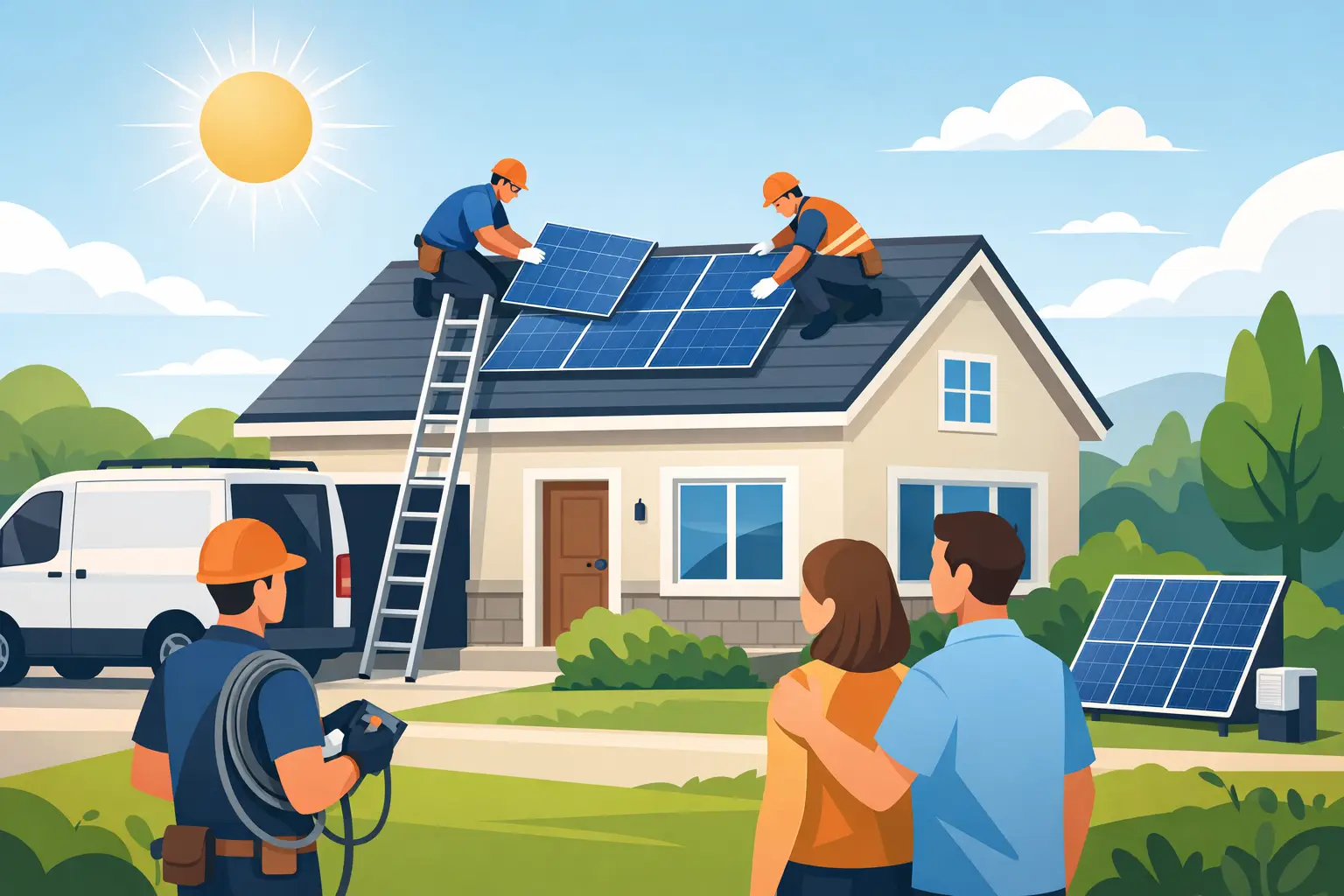
On the day itself, an experienced installation team can usually mount the roof rails and panels, fit the inverter, connect the system to your consumer unit and set up generation monitoring. They will then test the installation, explain the handover information and leave the work area tidy.
This is realistic for many standard domestic systems, particularly where the roof is straightforward, access is good and the electrical installation does not need remedial work. It does not mean every solar project should be completed in one day. Larger arrays, complex roofs, commercial premises, battery systems with additional electrical work, or properties requiring scaffolding and more extensive cabling may take longer.
The right expectation is simple: efficient work on site, backed by thorough work beforehand.
The planning that makes a fast installation possible
A successful solar installation begins well before an engineer arrives with panels. Your proposed system needs to reflect the usable roof space, its orientation and pitch, any shading from trees or neighbouring buildings, and how your household uses electricity.
A good design also considers the practical details that are easy to overlook. Where will the inverter be installed? What route will the cables take? Is there space for a battery if you want one now or may add one later? Is your consumer unit suitable, and is the internet connection reliable enough for monitoring?
This preparation protects both performance and the installation schedule. If a team discovers access issues, an unsuitable consumer unit or unexpected roof constraints on the day, the job may need to change. A clear survey reduces that risk and gives you an honest view of what is achievable.
For grid-connected systems, your installer should also manage the relevant Distribution Network Operator process. In some cases, approval is needed before work starts. In others, the connection is notified after installation. It depends on the size and specification of the system, so this should never be treated as an afterthought.
What happens on installation day
Most homeowners are pleasantly surprised by how contained the work is. The team will arrive, confirm the plan and prepare the working areas before starting on the roof and electrical components. If scaffolding is required, it is often erected in advance and removed after the job, rather than being part of the core installation day.
On the roof, mounting equipment is fixed securely to the rafters beneath the tiles or slates. Panels are then attached to the rails and connected safely. Inside the property, the inverter converts the solar power generated by your panels into usable electricity for your home. If you are having battery storage fitted, the team will install and commission this alongside the other equipment where the design allows.
There may be a short planned interruption to your electricity supply while the electrical connection is made. Your installer should tell you about this in advance, particularly if you work from home, have medical equipment or need to plan around school pick-ups and household routines.
By the end of the day, the system should be tested and commissioned in line with the required standards. You should not be left trying to interpret a flashing light or an unfamiliar app on your own. A proper handover includes showing you how to check generation, understand your monitoring platform and recognise when to contact support.
Can every home have solar fitted in a day?
Not always, and that is not a sign that anything has gone wrong. A responsible installer will be open about factors that can extend the programme.
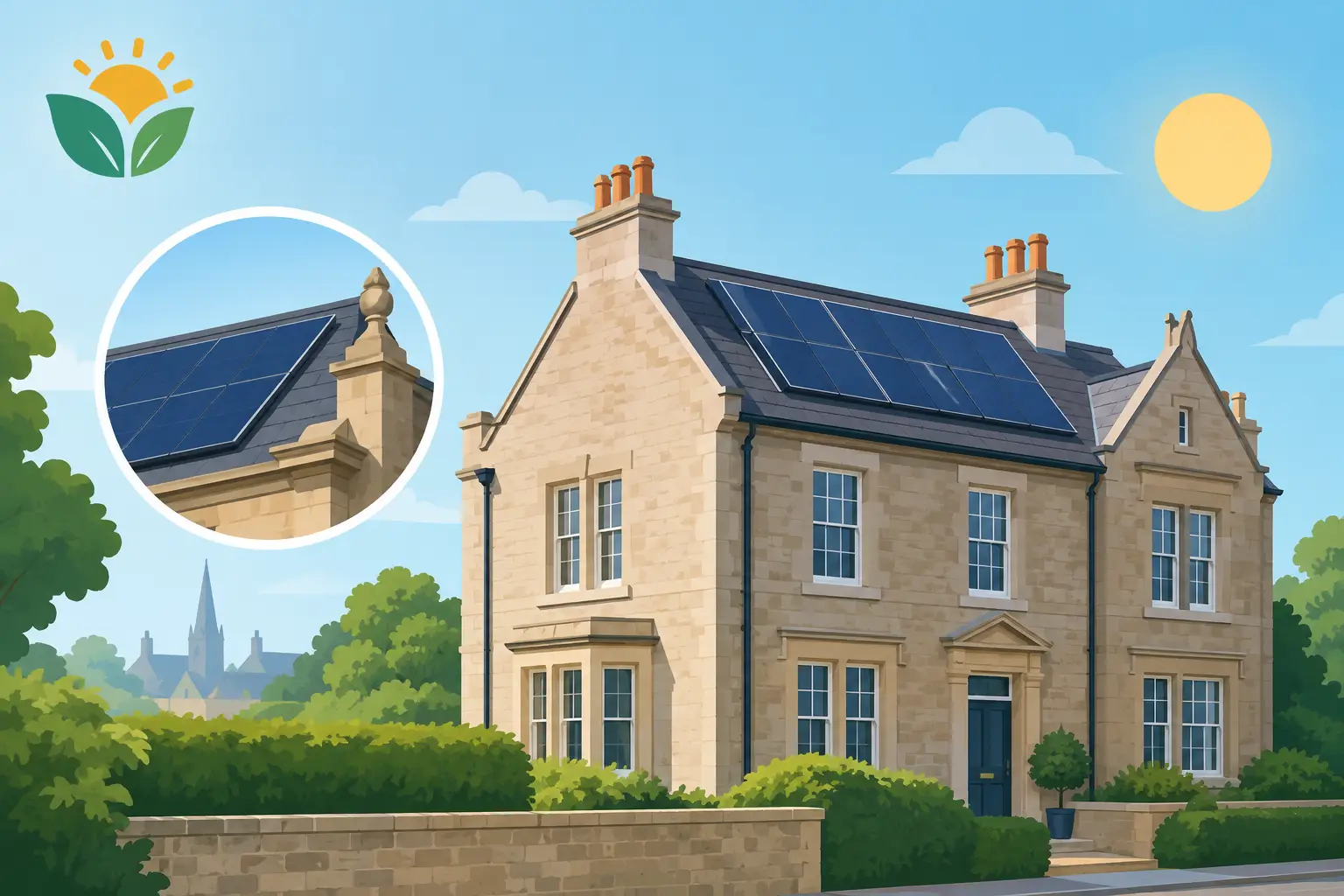
Older properties may need electrical upgrades before solar can be connected safely. A roof with multiple elevations, difficult access, fragile coverings or significant shading can require a more detailed approach. Listed buildings, conservation areas and some new-build developments can also involve planning or freeholder considerations that need resolving before the installation date.
Battery storage can still fit comfortably within a one-day schedule, but the final answer depends on the equipment chosen, cable routes and the condition of your existing electrical system. Commercial installations follow the same principle on a larger scale: careful design and coordination may matter more than the number of hours spent fitting panels.
Weather is another practical consideration. Light rain does not always stop work, but high winds, icy conditions or unsafe roof access can. A professional team will not compromise safety simply to keep a date in the diary.
How to prepare your home for a smooth fitting
You do not need to do much, but a little preparation helps the day run well. Keep the area around your consumer unit, proposed inverter location and loft hatch accessible. If the inverter or battery is planned for a garage, utility room or outside wall, move any stored items that may obstruct the engineers.
It is also helpful to make sure pets are secure and to let the team know about any access restrictions, parking limitations or gates that need to remain closed. If you have a home office, plan for the possibility of a brief power interruption.
Before work begins, ask your installer to confirm the panel layout, equipment locations and expected finish time. You should also know who to contact if you have a question after the team has left. Speed is valuable, but clear communication is what makes the experience feel straightforward.
The value of an MCS-certified installation
Solar panels are a long-term asset, so quality should be visible in more than the finished roofline. Choosing MCS-certified engineers helps provide confidence that the system is designed and installed to recognised industry standards. It is also typically essential for homeowners who want to access export payments through the Smart Export Guarantee.
Ask about the workmanship warranty, product warranties, insurance-backed protection and the documentation you will receive after commissioning. Your final pack should clearly set out your system specification, performance information, certificates and guidance for operation and maintenance.
At Infused Solar Energy, the focus is on delivering that complete journey: from an honest survey and bespoke design through to installation, monitoring setup and aftercare. A one-day fitting should be the visible final stage of a well-managed project, not the whole service.
Making the most of your solar from day one
Once your system is live, the most useful habit is to shift flexible electricity use into daylight hours where possible. Running the washing machine, dishwasher or electric vehicle charger when your panels are generating can increase the proportion of solar power used in your own home.
Monitoring will show you the pattern over time. Summer generation will be higher than winter generation, and no two households use electricity in exactly the same way. Rather than chasing a perfect daily figure, use the data to understand your usage and make practical changes. If you add a battery later, your generation profile and evening consumption will help inform the right size.
A one-day solar installation can be remarkably uncomplicated when the design, paperwork and workmanship are all in place. Choose a team that is willing to explain the details before installation day, and you can look forward to owning more of your energy from the moment the system is switched on.