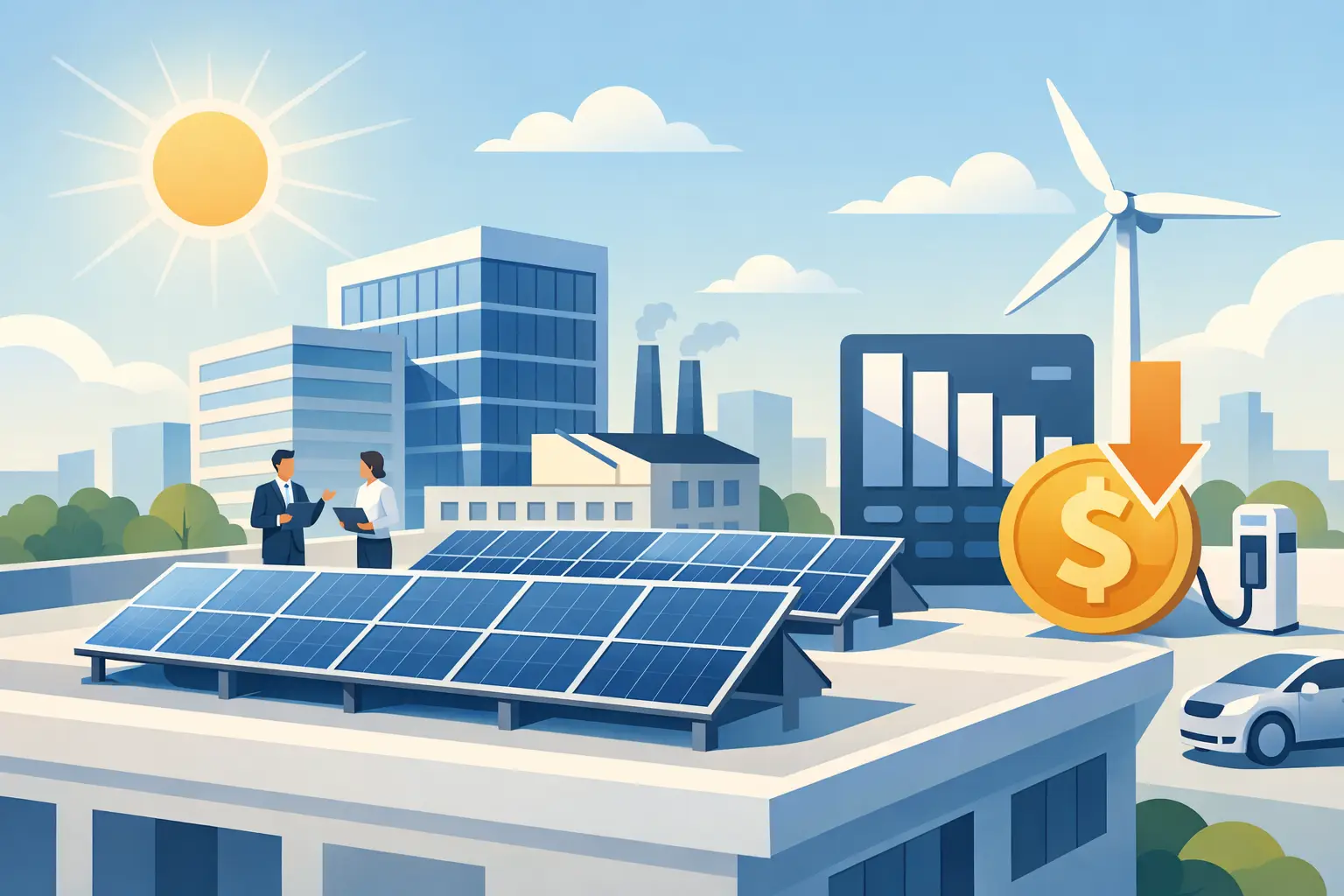
For many UK businesses, the electricity bill is no longer just another overhead. It is a moving target that makes budgeting harder, squeezes margins and raises questions about how much control a business really has over its running costs. That is why commercial solar solutions are moving from a nice idea to a serious operational decision for offices, warehouses, farms, schools and multi-use commercial sites.
The appeal is straightforward. A well-designed solar system can lower day-to-day electricity costs, reduce reliance on grid price swings and give a property owner more certainty over the long term. But the right result does not come from panels alone. It comes from good design, honest forecasting, quality installation and ongoing support.
Why commercial solar solutions are gaining momentum
Businesses tend to approach solar with a practical question first – will it save money? In many cases, yes, but the detail matters. Commercial buildings often use a large amount of electricity during daylight hours, which is exactly when solar generation is strongest. That means more of the energy produced can be used on site rather than exported, improving the value of the system.
For a business that runs machinery, refrigeration, office equipment, lighting or EV charging through the working day, this can make solar especially attractive. The more of your own generated electricity you use directly, the stronger the financial case tends to be.
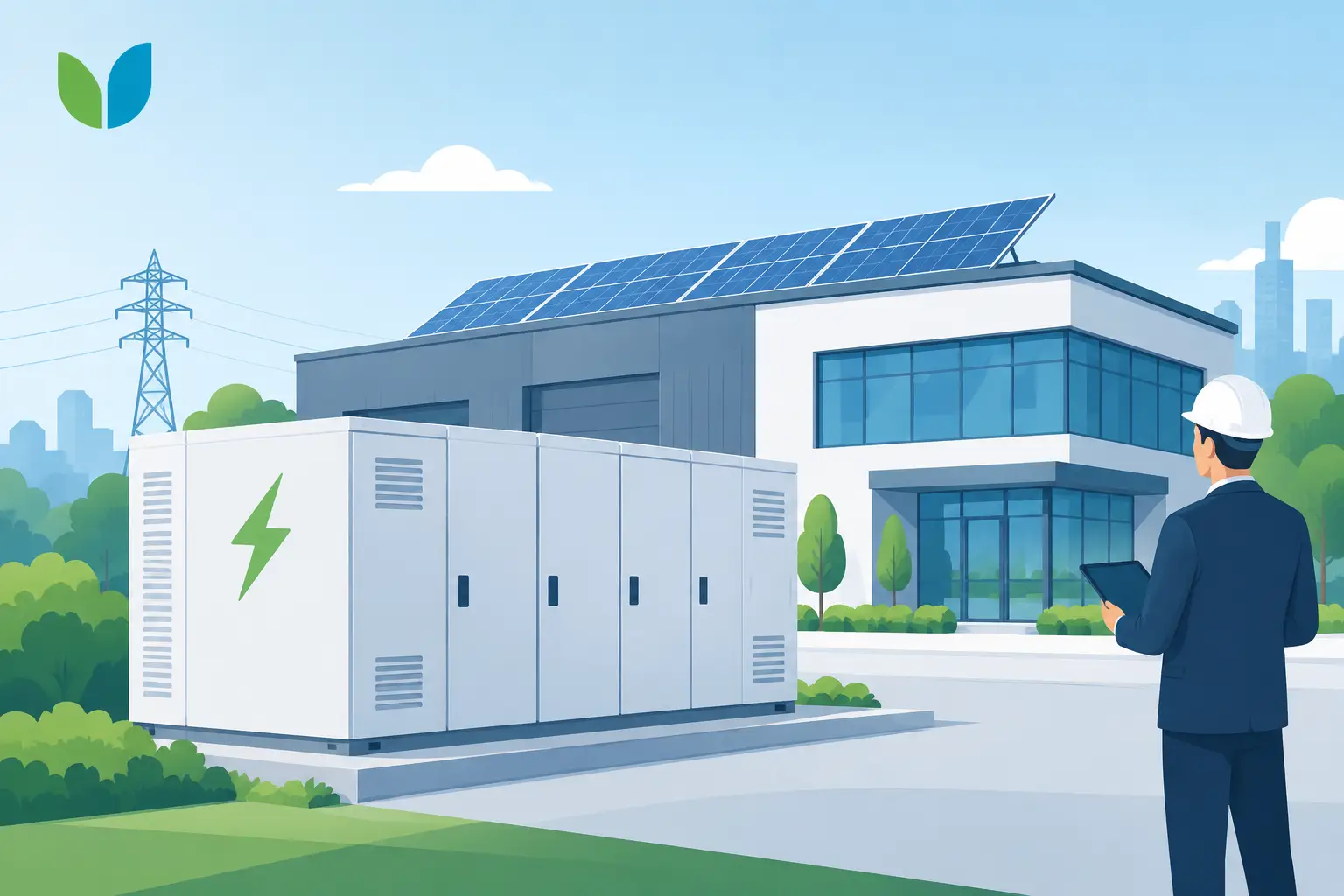
There is also a wider business benefit. Energy resilience has become more important for property owners who want stability and better control. Solar can support that by reducing exposure to external energy market pressures. If battery storage is added, businesses may also be able to hold more of their generated power for use later in the day, although whether that makes financial sense depends on usage patterns, load profile and budget.
What a good commercial solar system needs to do
The best commercial systems are not built around a standard package. They are built around how the site actually works.
A warehouse with a broad roof and high daytime demand will need a different approach from a hospitality venue with evening-heavy usage. A farm with several outbuildings, varied seasonal loads and future expansion plans will need something different again. The goal is not to fit the biggest system possible. It is to fit the most sensible system for the building, the energy demand and the business case.
That starts with a proper site survey. Roof condition, orientation, shading, structural suitability, cable routes and inverter placement all need to be assessed early. So does the site’s electricity usage. Looking at half-hourly data, where available, helps build a clearer picture of when power is used and how much of the solar generation is likely to be consumed on site.
From there, system design should be tailored rather than guessed. This is where experience matters. Commercial solar solutions need to balance expected generation, installation practicality, return on investment and long-term reliability. A proposal that looks impressive on paper but ignores site realities is not much use to a business owner who needs performance they can trust.
The role of battery storage in commercial solar solutions
Battery storage is often part of the conversation, but it is not automatically the right fit for every site.
If a business uses most of its electricity during the day, solar panels alone may already deliver strong value because generation lines up well with demand. In that case, battery storage can still add flexibility, but the payback may be less compelling than on a site where more energy is needed outside solar production hours.
On the other hand, if a commercial property has notable late afternoon, evening or early morning consumption, batteries may help capture more of that solar power for later use. They can also support better energy management where tariff structures reward shifting consumption away from more expensive periods.
The point is simple – battery storage should be recommended because it suits the site, not because it sounds advanced. A trustworthy installer will explain the likely benefit in plain terms and show whether the numbers support the investment.
What businesses should look for in a solar installer
Commercial solar is a significant purchase, so confidence in the installer matters just as much as confidence in the technology.
Businesses should expect a provider to be clear about the full process, from survey and design through to installation, commissioning and aftercare. Certifications matter because they show recognised standards are being followed. So do insurance-backed installations, product warranties and a transparent explanation of what support looks like once the system is live.
This is where a full-service approach can make a real difference. When one team manages the project from beginning to end, it is easier to keep communication clear and accountability simple. For commercial clients, that often means fewer delays, less confusion and a smoother route from initial enquiry to operational system.
A good installer should also be realistic. Not every roof is suitable. Not every building will justify the same scale of investment. If the advice sounds too perfect, it is worth asking harder questions. Honest guidance builds far more confidence than exaggerated savings claims.
The installation process without the guesswork
One reason some businesses delay solar is concern about disruption. That is understandable, particularly on occupied sites where operations need to continue.
In practice, a well-organised commercial installation should be planned to minimise impact. Clear scheduling, pre-agreed access arrangements and tidy project management all help keep the job efficient. Timescales will vary depending on system size, building type and grid-related requirements, but the principle stays the same – the process should feel managed, not chaotic.
That is why operational clarity matters so much. Businesses want to know who is responsible, what happens next and when the system will be ready to generate. They also want reassurance that support will not disappear once the panels are fitted. Monitoring setup, handover guidance and ongoing maintenance are part of the value, not an optional extra.
For many property owners, that ongoing relationship is as important as the installation itself. A solar system is a long-term asset. It should come with long-term support.
Cost, return and the questions that matter most
The first figure most people ask for is price, but cost on its own tells only part of the story.
A better question is what the system is expected to deliver over time. That includes estimated annual generation, likely on-site usage, projected bill reduction and how quickly the investment may pay back. The exact answer depends on roof space, energy profile, equipment choice and future plans for the site.
For example, a business expecting to add heat pumps, more refrigeration, extra machinery or EV charging may benefit from planning with that future load in mind. A smaller system that works today may not be the best long-term choice if electricity demand is likely to grow.
At the same time, bigger is not always better. Oversizing can reduce the proportion of power used on site and weaken the financial return. Strong commercial solar solutions are sized with care, based on actual needs rather than assumptions.
Why long-term support matters after installation
Solar is often described as low maintenance, which is true compared with many building systems, but low maintenance does not mean no support needed.
Performance monitoring helps confirm the system is generating as expected. Maintenance checks can identify issues before they affect output. If the business later wants to add battery storage or review consumption changes, having an installer who already understands the site is a genuine advantage.
This is one reason many businesses prefer working with a company that treats the project as a relationship rather than a one-off sale. Family-run firms often stand out here because service is personal as well as professional. For businesses that want direct answers, reliable follow-up and practical support, that matters.
Infused Solar Energy takes that end-to-end approach seriously, with bespoke system design, MCS-certified installation and aftercare that gives clients confidence well beyond handover.
Is now the right time to invest?
For many commercial property owners, waiting has its own cost. Every month spent relying entirely on grid electricity is another month of exposure to prices the business cannot control.
That does not mean every site should rush into a system without proper assessment. It does mean that if your roof is suitable and your business uses a meaningful amount of daytime electricity, the case for solar is well worth testing now rather than putting off again.
The smartest commercial decisions are rarely about chasing trends. They are about reducing risk, improving control and making assets work harder. Commercial solar solutions can do exactly that when they are designed properly, installed professionally and supported for the long term.
If you are considering solar for a commercial property, start with the practical questions. What does the building use, when is that energy used, and what kind of system would genuinely improve the numbers? Once those answers are clear, the next step becomes much easier.