A well-designed solar system should work quietly in the background, turning daylight into lower electricity bills. This solar maintenance guide UK explains the simple checks that help homeowners and businesses protect that performance: without taking unnecessary risks or spending money where it is not needed.
Solar panels are low-maintenance, not no-maintenance. A quick look at your generation figures and the condition of the system can identify an issue before it becomes an avoidable loss of output. For systems with battery storage, regular monitoring also helps you make the most of the energy you generate and own.
What solar maintenance really involves
For most properties, maintenance is less about routinely washing panels and more about checking that the whole system is behaving as expected. Your panels, inverter, mounting system, isolators, monitoring platform and, where fitted, battery all have a role in delivering reliable solar generation.
The UK climate presents a mixed picture. Regular rain can remove light dust, but it will not always shift stubborn bird droppings, pollen, algae, leaf debris or grime that has built up near the bottom edge of a panel. Shading can also change over time as nearby trees grow or new buildings are constructed.
A good maintenance plan combines safe visual checks, performance monitoring and professional inspections when something does not look right. It is a practical way to protect a long-term home or business investment.
Solar maintenance guide UK: your regular checks
You do not need to climb onto a roof to look after solar panels. In fact, accessing a roof without the right equipment creates a far greater risk than most routine panel issues. Complete these checks from ground level or through your monitoring app.
Every month or two, compare your generation with the same period in the previous year, allowing for obvious differences in weather. A bright spring month should normally produce more than a dark winter month, but a sudden or sustained fall compared with similar conditions deserves attention.
Look at the inverter display or app for warnings, offline notifications and unusually low production. An inverter may occasionally restart after a grid event, but repeated faults, red indicator lights or error codes should be reported to your installer. Do not attempt to open the inverter or electrical enclosures yourself.
From a safe position, check for visible shading, heavy soiling, loose-looking cables, cracked panels, bird nests beneath the array, or branches overhanging the roof. You are looking for changes, rather than trying to diagnose an electrical fault from the ground.
Keep a record of significant alerts, screenshots of generation data and the date of any cleaning or service visit. This gives your installer useful context if support is required and can make a developing pattern easier to spot.
Should you clean solar panels in the UK?
It depends on the location and condition of the array. Many domestic systems do not need frequent cleaning because rain removes ordinary surface dust. Cleaning too often can add cost without delivering a meaningful improvement in generation.
However, panels may benefit from professional cleaning if there is clear, persistent contamination. This is more common on properties close to busy roads, agricultural land, trees, the coast, construction work or areas with a high bird population. A visible patch of droppings can reduce the output of part of a panel, particularly if it causes localised shading.
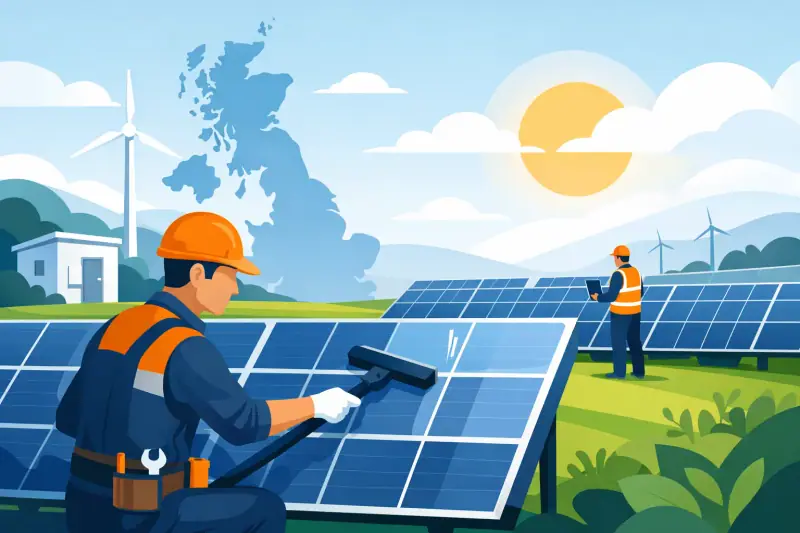
Never use abrasive pads, strong detergents, pressure washers or unsuitable chemicals. They can damage glass, seals, coatings and frames. Avoid walking on panels, even if access appears easy. A trained professional can assess whether cleaning is worthwhile, use suitable equipment and work safely at height.
If your system is performing as expected and the panels look generally clean from the ground, leaving them alone is often the sensible option.
Monitoring matters more than most owners realise
Your monitoring platform is one of the most useful maintenance tools you have. It turns solar performance from a guess into something you can see. Check that it remains connected to your home internet connection and that generation data is still updating.
Monitoring is particularly valuable after an installation, during seasonal changes and following severe weather. It can help reveal an inverter communication issue, unexpected shading or a fault that may not be obvious from the ground.
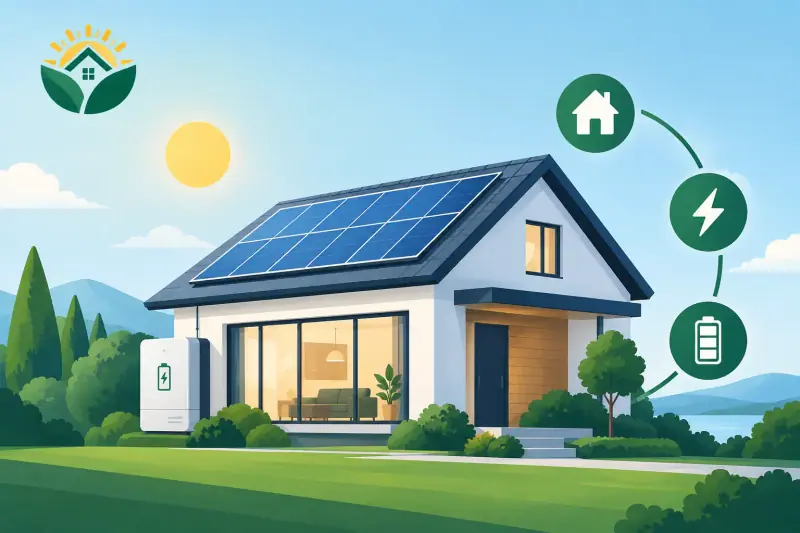
For a home with battery storage, monitoring also shows whether the battery is charging from surplus solar, discharging at the times you expect and operating within the settings agreed for your household. If you are on a time-of-use tariff, those settings can make a real difference to the value you receive from your system.
Commercial sites should make monitoring part of routine facilities management. A generation dip may be small on one day but costly over a month if it is not investigated. Assign responsibility for checking alerts so that notifications are not left sitting in an unattended inbox.
When to arrange professional solar servicing
There is no universal rule that every solar PV system requires an annual service, but a professional inspection is a sensible choice at intervals recommended by your installer, manufacturer or warranty provider. It is also the right step when performance drops unexpectedly, alerts persist or there has been visible damage.
A qualified solar engineer can inspect areas that should not be handled by the property owner. This may include electrical connections, inverter operation, panel fixings, roof penetrations, earthing arrangements, cable condition and safety labels. They can also review generation data against the expected system design.
Arrange an assessment promptly if you notice a burning smell, water ingress near electrical equipment, damaged panels, loose mounting components, persistent inverter errors or a complete loss of generation. If there is any immediate electrical safety concern, keep clear of the equipment and follow the advice provided by your installer or a qualified electrician.
Choose a provider with appropriate solar experience and credentials. MCS-certified installers understand the standards expected of UK solar installations and can provide clear advice based on the system already on your property. Keep service paperwork with your original installation documents, warranties and commissioning information.
Looking after your inverter and battery
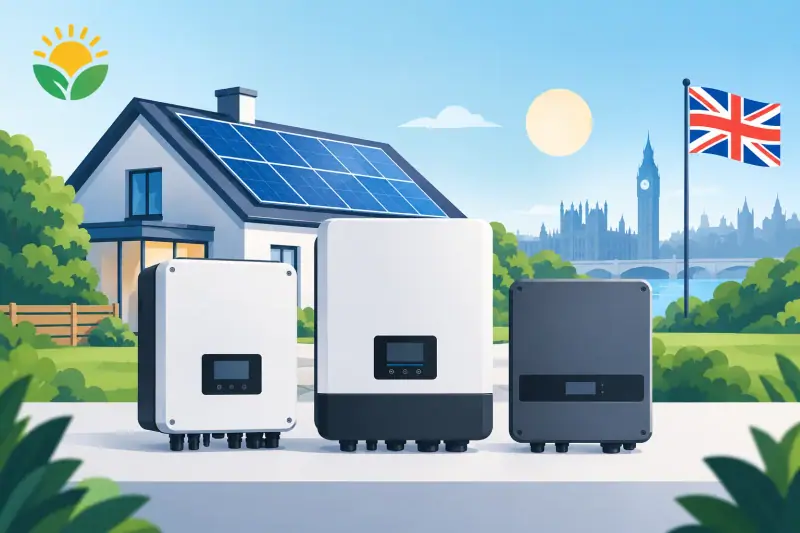
The inverter is the working heart of a solar PV system. It converts the electricity produced by your panels into usable AC electricity for the property. It is normal for an inverter to make a quiet operating sound during the day, but repeated alarms, fault messages or a display that remains off during sunny conditions need investigation.
Keep the area around indoor equipment clean, dry and ventilated. Do not store boxes, coats or household items against an inverter or battery cabinet. These units need appropriate airflow and clear access for safe inspection. If equipment is installed in a garage, utility area or plant room, make sure it has not become blocked by everyday storage.
Battery care is mainly about using the system as designed. Avoid changing advanced operating settings unless you understand the effect on charge cycles, backup reserves and tariff charging. Your installer can help if your household routine changes, such as purchasing an electric vehicle, moving to a new tariff or adding a heat pump.
A practical yearly maintenance routine
A simple rhythm keeps solar care manageable:
- Check generation and app connectivity every month or two.
- Carry out a safe ground-level visual inspection after storms or high winds.
- Review shading and vegetation before the main spring and summer generation period.
- Arrange professional support when alerts persist, output drops or damage is visible.
- Check warranty conditions and service recommendations once a year.
This routine is not about chasing perfect panel cleanliness. It is about catching genuine performance or safety concerns early, while leaving technical and roof-level work to trained professionals.
Protecting long-term solar savings
Solar maintenance has a direct connection to the reason most people choose solar in the first place: lower reliance on bought electricity. A system that is monitored, safely maintained and set up around your energy habits is better placed to deliver the savings expected from its original design.
At Infused Solar Energy, we believe aftercare should be clear, responsive and straightforward. Whether you own a newer system or are reviewing the performance of an existing installation, good support starts with understanding what the data is telling you, not selling unnecessary work.
Your solar system does not need constant attention. It does need the occasional check, a safe response when something changes and a professional team you can call when you need certainty. That is how you keep owning your energy with confidence for years to come.