The electricity you buy at the most expensive time of day is often the electricity your home needs most. Energy independence changes that balance. It gives you more control over where your power comes from, when you use it and how exposed you are to changing grid prices. For many UK households, solar panels and battery storage are the practical route to owning more of their energy.
It does not mean cutting every cable to the grid or promising that a home will never receive a bill again. It means designing a system that reduces unnecessary imports, makes better use of the power you generate and gives your household greater certainty over the long term.
What energy independence really means
Energy independence is the ability to meet more of your electricity demand from energy you produce or store yourself. For a typical home, that usually starts with solar panels generating electricity during daylight hours. A home battery can then retain surplus generation for use later, rather than sending all of it back to the grid.
Without a battery, solar power is still valuable. It can run appliances, charge an electric vehicle or support a heat pump while the sun is out. The challenge is that household demand does not always match generation. You may produce plenty of energy while everyone is out, then need electricity in the evening when solar production has fallen.
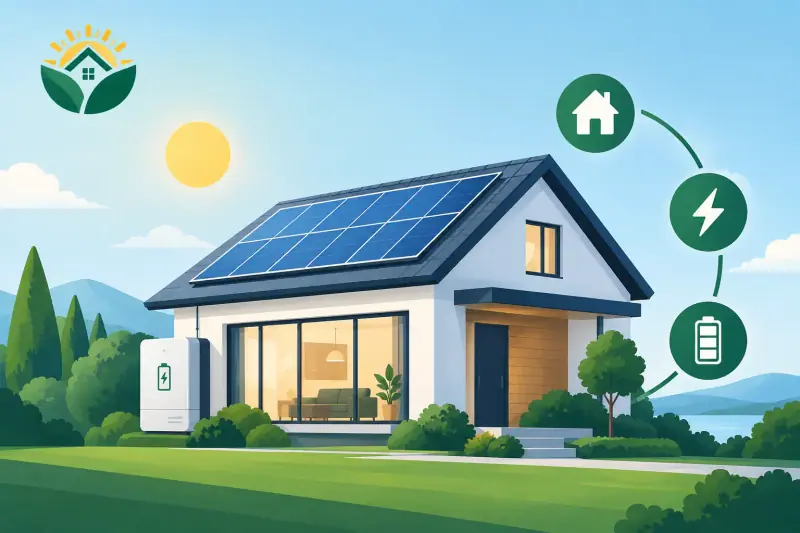
A battery helps bridge that gap. It stores unused solar electricity for after sunset and, where suitable for your tariff and system, can charge at lower-cost off-peak times for use when electricity costs more. This is why the strongest route towards energy independence is usually solar and storage working together, not one in isolation.
More control, not unrealistic promises
A good solar proposal should be clear about what a system can and cannot do. Generation changes with the seasons, roof orientation, shading and weather. In winter, shorter days mean less solar output, while heating and lighting demand may rise. Most homes will still import some electricity from the grid at certain times of year.
That does not diminish the value of the system. The aim is to reduce your dependence on bought electricity when it is most costly, while using your own generation intelligently. A well-designed system can improve self-consumption, lower day-to-day energy costs and reduce the uncertainty that comes with relying entirely on supplier prices.
There is also a difference between energy independence and backup power. Some battery systems can be specified with backup capability, helping selected circuits remain powered during a power cut. However, this requires the right equipment and design. It should never be assumed as standard. Discuss how you want your home to operate during an outage before the system is specified.
The building blocks of an independent energy system
Every property is different, so there is no sensible one-size-fits-all package. The right system begins with how your building uses electricity, rather than simply fitting as many panels as possible.
Solar panels generate the starting point
A roof survey considers usable roof space, orientation, pitch, shading and the condition of the roof itself. South-facing roofs can generate strongly, but east- and west-facing arrays can be particularly useful for households that use more electricity in the morning and evening. A split array across both roof aspects can spread production across more of the day.
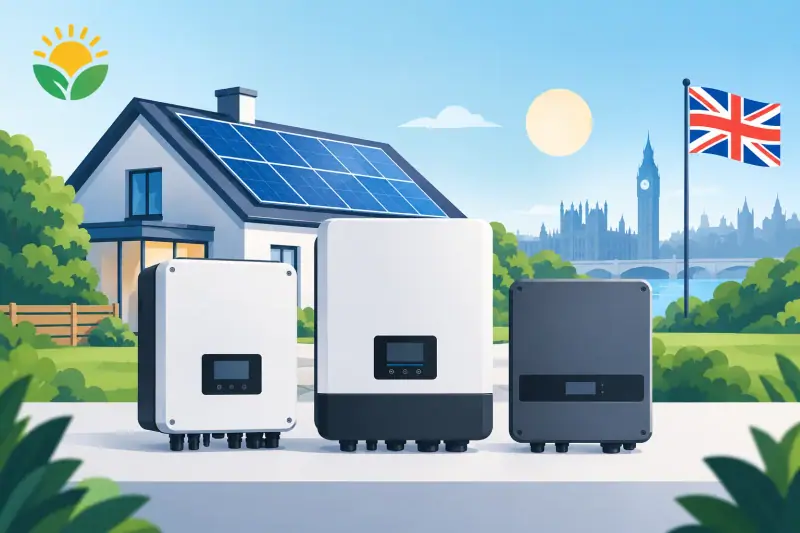
The panels generate direct current electricity, which an inverter converts into usable alternating current for the property. When your appliances are running, your home uses solar electricity first. Any shortfall is supplied by the grid unless a battery has stored power available.
Battery storage puts more solar to work
Battery capacity should reflect your consumption patterns and expected solar surplus. A larger battery is not automatically better value. If it rarely fills, part of that capacity may offer limited benefit. If it is too small, you may export more solar than you would prefer and import more electricity after dark.
Your installer should look at annual usage, daytime demand, typical evening consumption and major loads such as electric vehicles, heat pumps or hot tubs. The result should be a practical recommendation, with estimated performance explained in plain English.
Smart monitoring turns data into decisions
Monitoring gives you visibility of production, household consumption, battery charge and grid imports. That information makes it easier to see whether appliances can be run when solar generation is high, or whether tariff settings need adjusting.
Small changes can make a meaningful difference. Setting a dishwasher or washing machine to run during the day, charging an EV at the right time and avoiding unnecessary peak-time use all help your system deliver more value. The technology works best when it supports your routine, not when it forces you to reorganise your life around an app.
How to assess whether solar is right for your property
Start with your electricity bills. Annual usage is useful, but half-hourly smart meter data can reveal much more about when you consume energy. A family working from home, for example, may use solar generation directly throughout the day. A household that is empty until evening may benefit more from battery storage.
Next, consider future plans. An EV, home extension, heat pump or growing business can all change your energy demand. Designing with those changes in mind may avoid unnecessary alterations later. Equally, there is no need to oversize a system around plans that are uncertain. Honest advice should distinguish between what you need now and what can be added later.
For commercial properties, the principle is similar but the opportunity can be greater. Businesses with daytime operations may use a high proportion of solar energy as it is generated, helping reduce operating costs. A detailed assessment should consider opening hours, machinery, refrigeration, EV charging and any changes planned for the site.
Why installation quality matters
Energy independence depends on more than panel numbers and battery capacity. The system needs to be designed, installed and commissioned properly, with electrical safety, roof integrity and future performance considered from the outset.
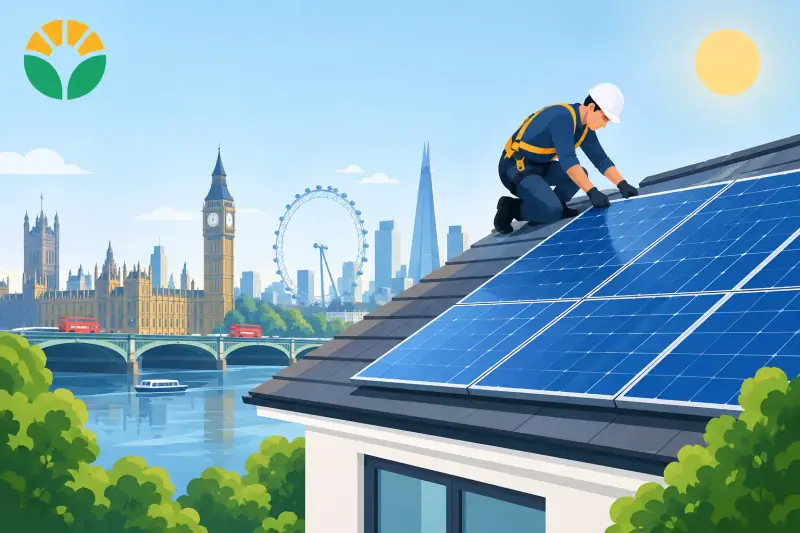
Working with MCS-certified engineers provides reassurance that your installation is being delivered to recognised standards. It also supports access to export arrangements where applicable. Clear documentation, warranties and a proper handover matter just as much as the installation day itself. You should know how to use the monitoring platform, what the system is expected to produce and who to contact if you need support.
At Infused Solar Energy, the focus is on managing the full journey: site survey, bespoke design, installation, monitoring setup and aftercare. That joined-up approach matters because the best system is not simply the one that looks impressive on paper. It is the one that suits your property, budget and everyday energy habits.
Making the most of your investment
Once the system is installed, review its performance over the first few months. Compare generation against expectations, watch when the battery charges and discharges, and identify periods of higher grid import. Seasonal changes are normal, so judge performance across a meaningful period rather than a single bright week or grey day.
Maintenance is generally straightforward, but it should not be ignored. Visual checks, monitoring alerts and professional support can help spot issues early. Keep trees and new shading in mind, and let your installer know if you make significant changes to your property or electricity use.
The most valuable outcome is not just lower bills. It is the confidence that more of the electricity powering your home is planned, produced and managed on your terms. Start with a realistic view of your usage, ask for a transparent design, and choose a system that gives you control now while leaving room for the future.