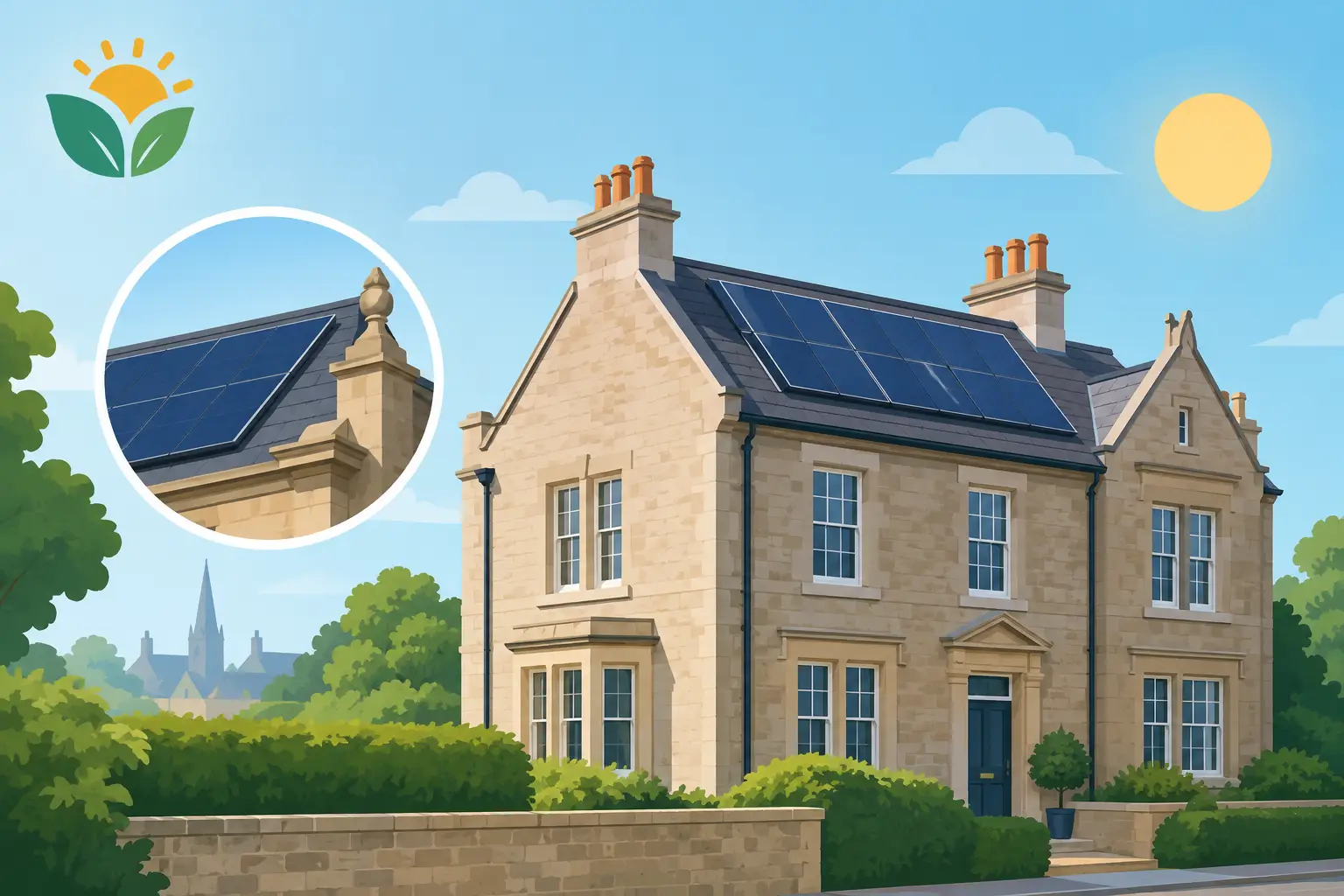
If you are asking what is the best battery storage system, the honest answer is not a single brand or model. It is the system that matches your home, your electricity use, your solar generation and what you actually want the battery to do. For some households, that means storing cheap solar power for the evening. For others, it means keeping key appliances running during a power cut. The best choice is the one that delivers real savings and peace of mind, not the one with the loudest marketing.
What is the best battery storage system for most homes?
For most UK homeowners, the best battery storage system is one that is correctly sized, works smoothly with the solar inverter, and gives enough usable storage to cover evening and overnight demand without overspending on capacity that rarely gets used.
That usually means looking beyond the battery brand alone. A good system includes the battery itself, the inverter or hybrid inverter, monitoring software, installation quality, warranty support and the way the whole setup is configured. If one part is poorly chosen, the system can underperform even if the battery on paper looks impressive.
In practical terms, many homes benefit most from a battery in the region of 5 kWh to 10 kWh usable capacity, paired with a well-designed solar system. That range often gives a sensible balance between upfront cost and day-to-day benefit. Larger properties or homes with higher evening use may need more, while smaller households may be better served by less.
The question is not just which battery – it is what you need it to do
A battery can serve different purposes, and that changes what “best” looks like.
If your main goal is reducing electricity bills, the best system is one that stores surplus solar generation during the day and releases it when grid prices are higher in the evening. In that case, round-trip efficiency, usable capacity and smart charging controls matter most.
If your main goal is backup power, you need to check whether the battery can provide power during a power cut. Not all systems do. Some shut down when the grid goes off unless they are installed with backup functionality. That is a detail many buyers miss until too late.
If you are on a time-of-use tariff, the best battery storage system may be one that can also charge from the grid cheaply overnight and discharge during expensive periods. That can improve savings, but only if the tariff, battery settings and household demand all line up properly.
Battery size matters more than most people think
It is tempting to assume bigger is better, but battery sizing is where many systems either become excellent value or poor value.
A battery that is too small may fill by lunchtime and leave excess solar energy unused. It may also run empty early in the evening, leaving you buying from the grid at peak times. A battery that is too large can cost more than the extra savings justify, especially if your solar system does not regularly generate enough surplus electricity to charge it.
The right size depends on a few practical things: your daytime and evening energy use, how much solar you generate across the year, whether you work from home, whether you have an electric vehicle, and whether you plan to add heat pumps or other larger electrical loads later.
That is why a proper usage review matters. Half-hourly smart meter data, previous bills and a site-specific design usually tell a clearer story than any online calculator.
What battery chemistry is best?
For most domestic solar storage systems in the UK, lithium iron phosphate batteries are now widely seen as the strongest all-round choice. They offer good safety, strong cycle life and reliable long-term performance.
Some batteries use other lithium chemistries, and these can still perform well, but lithium iron phosphate is often preferred for residential use because it balances durability and stability effectively. Lead-acid systems still exist, but they are generally less attractive for modern homes because they are bulkier, less efficient and tend to have shorter usable life.
That said, chemistry alone does not decide quality. The battery management system, manufacturer support, warranty terms and installer setup all make a real difference.
The features that actually matter
When comparing options, it helps to focus on the things that affect real-world performance rather than brochure claims.
Usable capacity matters more than total capacity, because that is the energy you can actually use. Depth of discharge is part of that picture. Efficiency matters because every charge and discharge cycle loses a little energy. Power output matters too, especially if you want the battery to run multiple appliances at once.
Warranty is another big one. A ten-year warranty is common, but the detail matters. Some warranties are based on time, some on energy throughput, and some guarantee a certain retained capacity by the end of the term. A battery with a generous-looking warranty is not always the better option if the performance conditions are restrictive.
Monitoring is also worth paying attention to. A clear app or portal can help you understand solar production, battery charging and household consumption. If the system is easy to monitor, it is easier to spot problems and easier to feel confident that your investment is doing its job.
What is the best battery storage system if you want backup power?
If backup power is a priority, the best battery storage system is one specifically designed and installed to provide it. That means checking whether the system offers whole-home backup or only backup to selected circuits.
For many households, backing up a few essentials is enough. That could include lighting, the fridge, broadband, sockets in key rooms and perhaps a boiler control system. Trying to run the entire property during an outage can require a much larger battery and higher inverter output, which increases cost.
This is a good example of where “best” depends on expectations. If you simply want resilience for the basics, a more modest backup setup can be excellent value. If you want near full-house continuity, the specification needs to be more ambitious from the start.
Brand matters, but installer quality matters just as much
There are several respected battery manufacturers on the market, and most homeowners will come across familiar names during the research stage. But even a strong product can disappoint if it is poorly matched to the property or badly installed.
A battery storage system should not be treated like a boxed appliance. It needs to be designed around the home, integrated with the right inverter setup, positioned appropriately, commissioned correctly and supported properly after installation.
That is why it makes sense to choose an installer who can explain not just the battery model, but why it suits your usage. A trustworthy installer will talk clearly about capacity, savings expectations, limitations, warranty support and future expansion. If the conversation feels vague or over-promised, that is a warning sign.
The best system is rarely the cheapest
Low upfront cost can look appealing, especially when comparing quotes, but the cheapest battery system is not always the most economical over time. A lower-cost battery may have lower efficiency, fewer cycles, weaker monitoring or less dependable support.
On the other hand, the most expensive option is not automatically best either. Some households are sold oversized systems with premium features they may never use. The smarter route is to focus on value over the life of the system.
That means asking a simple question: how much stored energy will you realistically use, and how much money is that likely to save each year? The right answer should feel commercially sensible as well as technically sound.
A good battery decision starts with good design
For homes with solar, battery storage works best when it is part of a joined-up system design rather than an afterthought. Panel orientation, inverter choice, export habits and household demand all affect battery performance.
For example, a home with strong afternoon and evening solar production may use storage differently from a home whose generation peaks early and drops off before people return from work. The same battery could perform very differently in those two settings.
At Infused Solar Energy, this is why battery recommendations are approached as part of the wider solar picture, not as a one-size-fits-all add-on. The aim is simple: help homeowners own their energy with a system that performs well in everyday life, not just on a quote.
If you are trying to choose the best battery storage system, ignore the temptation to chase a single universal winner. Look for the right size, the right features, the right compatibility and the right installer support. The best system is the one that quietly saves you money, gives you confidence in your energy use and still makes sense years after installation.