A sharp rise in electricity prices has changed the way many homeowners think about their roof. What used to be dead space is now a practical asset, and residential solar energy systems are quickly becoming one of the smartest home upgrades available in the UK. The appeal is simple: lower running costs, more control over how and when you use energy, and a cleaner way to power everyday life.
For most households, the decision is not really about whether solar works. It is about whether it works well enough for their property, their usage and their budget. That is where clear advice matters. A well-designed system should feel straightforward from the first survey to the day it starts generating power.
What residential solar energy systems actually include
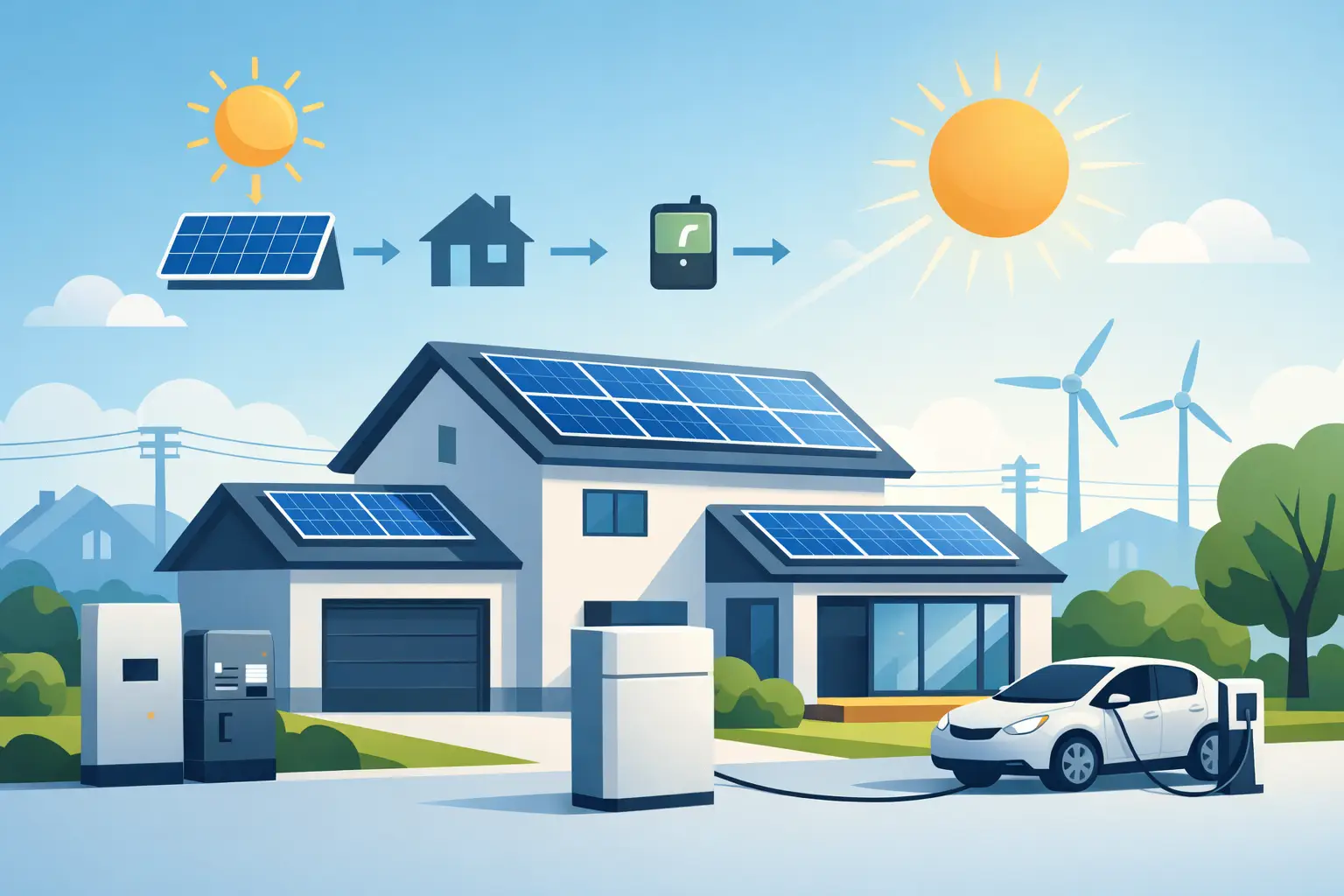
When people talk about solar, they often mean the panels alone. In reality, residential solar energy systems are made up of several parts working together. The panels generate electricity from daylight, an inverter converts that power into usable electricity for the home, and mounting equipment secures everything safely to the roof.
Some systems also include battery storage. This allows you to store excess electricity generated during the day and use it later, often in the evening when household demand is highest. Monitoring software is another important part of the setup, giving homeowners a simple view of what the system is producing and how much energy the property is using.
The best systems are not built around a standard package. They are designed around the property. Roof size, orientation, shading, household consumption and future plans all influence the right setup.
How solar works for a typical UK home
A common concern is whether solar is worthwhile in the UK climate. It is a fair question, but one based on a misunderstanding. Solar panels do not need constant bright sunshine to generate electricity. They work from daylight, which means they can still produce useful power even on overcast days.
Of course, output is higher in summer and lower in winter. That is normal. A good installer will size the system around annual performance rather than one perfect sunny week in July. For most homes, the value comes from consistent generation across the year and from using more of that electricity on site rather than buying it from the grid.
That is why usage patterns matter. If someone is at home during the day, they may naturally use more of the power as it is generated. If a household is empty for long periods, battery storage can make the system work harder for them by shifting that energy into the evening.
The financial case for going solar
Most homeowners start with one question: will it save money? In many cases, yes, but the amount depends on system size, energy usage and how much of the generated electricity you use yourself.
The strongest savings usually come from reducing the amount of electricity imported from the grid. Any extra energy not used in the home may be exported, which can add further value depending on the tariff available. Over time, this can help offset the initial installation cost and improve the overall return on investment.
It is worth being realistic here. Solar is not a magic fix for every energy bill. If a system is undersized, poorly designed or installed without considering household demand, the savings may disappoint. On the other hand, a properly specified system can deliver dependable long-term value, especially when paired with battery storage and sensible energy habits.
For many households, the bigger benefit is predictability. Owning part of your own energy supply gives you more protection from future price rises. That sense of control is a major reason more people now see solar as a practical investment rather than a niche environmental choice.
Are batteries worth adding?
Battery storage is one of the most talked-about upgrades, and for good reason. It helps homeowners keep more of the energy their panels generate, rather than sending it back to the grid during the day and buying electricity again in the evening.
That said, batteries are not automatically the right choice for everyone. They add to the upfront cost, so the case depends on your usage profile. Homes with higher evening consumption often see stronger value from storage. Families who charge devices, cook, do laundry and watch television after work may benefit more than someone who uses most of their electricity during daylight hours.
There is also the question of future flexibility. Some homeowners install solar first, then add a battery later once they understand their generation and usage patterns more clearly. A good installer will explain both routes honestly rather than pushing the most expensive option.
What makes a good solar installation
The quality of the installation matters just as much as the equipment itself. Panels may look similar from the ground, but the difference between a rushed job and a properly managed project can be significant.
A reliable installation starts with a proper site survey. This should assess the roof condition, available space, likely shading and electrical setup in the home. From there, the system design should be tailored to the property rather than copied from a standard template.
Installation standards are equally important. Homeowners should look for MCS-certified engineers, clear workmanship guarantees and insurance-backed protection. Those details are not just box-ticking. They are practical signs that the company takes quality seriously and stands behind its work.
Communication also matters more than many people expect. A good provider explains what is happening, keeps timings clear and remains available after installation for support and monitoring help. Solar should reduce stress, not create it.
Choosing between cheaper quotes and better value
It is tempting to compare solar quotes on headline price alone, especially when the market is crowded. But cheaper does not always mean better value. A low quote may reflect weaker component choices, limited aftercare, minimal system design work or vague warranty terms.
This is where trust becomes part of the buying decision. Homeowners are not just purchasing hardware. They are choosing a company to assess their property, install safely, connect the system correctly and provide support if anything needs attention later.
A family-run installer with a clear process, transparent proposal and strong customer reviews often offers far more reassurance than a quote that looks attractive at first glance but leaves key questions unanswered. When you are investing in a system designed to last for years, confidence in the people fitting it matters.
Common questions homeowners ask
One of the most common concerns is whether the roof is suitable. South-facing roofs are often ideal, but they are not the only option. East and west-facing roofs can still perform well, depending on the layout and energy usage in the home.
Another question is about disruption. In many cases, installation is quicker than people expect. A well-organised team can often complete the main work in a day, although this varies with system size and whether battery storage is included.
People also ask about maintenance. Solar systems are generally low-maintenance, but they are not entirely hands-off. Occasional checks, performance monitoring and professional support when needed help keep everything running as it should.
Why solar is becoming a mainstream home upgrade
There was a time when solar felt like an early-adopter choice. That has changed. Today, it sits alongside insulation, new windows and heating upgrades as a practical way to improve household efficiency.
The shift is not just environmental, though that remains an important part of the decision for many families. It is also financial. People want homes that cost less to run and give them more control over rising essentials. Residential solar energy systems speak directly to that need.
That is why the best approach is not to ask whether solar is fashionable or future-focused. It is to ask whether your home is currently doing enough for you. If your roof can generate clean electricity, reduce dependence on the grid and support smarter energy use, it may be time to see it as more than just part of the house.
For homeowners who want a practical investment with visible day-to-day value, solar is no longer a complicated leap. It is a measured, sensible step towards owning more of your energy and making your home work harder for you.