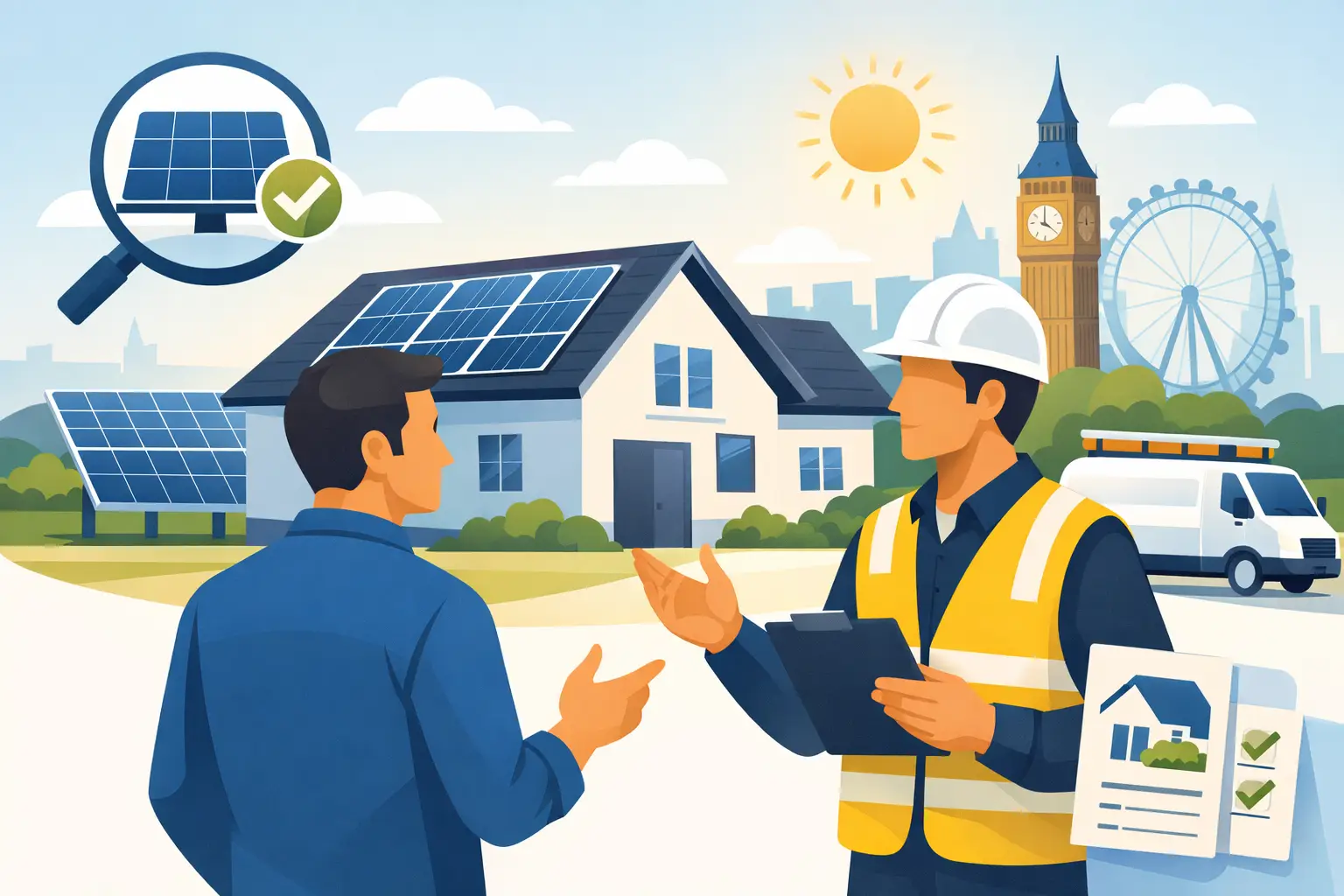
The difference between a good solar installation and a frustrating one often comes down to what happens before a single panel goes on the roof. If you are wondering how to choose solar installer options confidently, the right starting point is not price alone. It is whether the company can design the right system, explain it clearly, and stand behind the work long after installation day.
Solar is one of the smartest home and business investments you can make, but only if the system is properly specified and installed. A polished quote can look reassuring. What matters more is whether the installer is qualified, transparent, and set up to support you for years, not just until the invoice is paid.
How to choose solar installer without guesswork
Most property owners are not comparing solar installers every week, so it is easy to feel unsure about what is normal and what is a warning sign. A trustworthy installer should make the process simpler, not more confusing. If every conversation leaves you with more jargon and less clarity, that is usually a problem.
Start by looking at credentials. In the UK, MCS certification is one of the clearest trust signals because it shows the installer meets recognised standards for quality and compliance. If battery storage is part of the project, ask whether that work is also carried out by qualified engineers with relevant experience. Certifications on their own are not the whole story, but they are a solid first filter.
It is also worth checking whether the business carries appropriate insurance and whether workmanship guarantees are backed properly. A guarantee sounds good on paper, but the detail matters. You want to know who is responsible if there is an issue in two years, five years, or beyond.
Look beyond the cheapest quote
Solar quotes can vary widely, and lower pricing is not always a bargain. Sometimes it reflects lean overheads and fair pricing. Sometimes it means corners are being cut in system design, installation time, or aftercare.
A good quote should explain what you are getting in plain English. That includes panel brand and output, inverter type, battery details if included, expected generation, likely savings, installation timescales, and warranty terms. If a proposal is vague on any of those points, ask why.
There is also a difference between a quote built around your property and one built around what the installer happens to have available. Bespoke design matters. Roof orientation, shading, daily usage patterns and future energy plans all affect what a sensible system looks like. Someone planning to add an electric vehicle charger or battery storage later may need a different setup from day one.
The best installer is not necessarily the one promising the biggest savings either. Generation estimates should be realistic. If projections sound too good to be true, they often are.
What a reliable solar installer should ask you
One of the simplest ways to judge an installer is by the questions they ask. A serious company will want to understand your property, your electricity use, and what you want from the system.
They should ask about your typical consumption, whether you are at home during the day, whether you want battery storage, and whether reducing bills or increasing energy independence is the main goal. Commercial customers may also be asked about operating hours, peak demand and available roof space.
If the conversation jumps straight to a standard package before anyone has looked at your property properly, that is a sign the design process may be too generic. Solar works best when it is planned around how you actually use energy.
Reviews matter, but read them properly
Most installers will point to five-star reviews, and positive feedback is useful. Still, it helps to read reviews with a little care. Look for patterns rather than a single glowing comment.
Are customers praising communication, tidiness, speed, and aftercare? Do reviews mention that the team turned up when promised and explained things clearly? Those details tell you more than generic praise. A family-run business with strong customer care often stands out here because people remember how they were treated.
It is also worth looking at how the business handles criticism. A calm, practical response to a complaint is often more reassuring than a perfect score with no context. No installer gets everything right all the time. What matters is how they put things right.
How to choose solar installer based on service, not just installation day
A solar system is not a one-day purchase, even if the installation itself takes only a day. You are choosing a company that may be supporting your system for many years. That makes aftercare one of the most overlooked parts of the buying decision.
Ask what happens once the system is installed. Will they help set up monitoring? Who do you contact if generation drops or the app stops reporting properly? Is support handled in-house or passed elsewhere? Clear answers here matter just as much as technical specifications.
Good aftercare is especially important if your system includes battery storage or if you are new to solar and want confidence that someone will be there if needed. Fast, straightforward support can save a lot of frustration later.
Check the quality of the survey and design process
The survey stage tells you a lot about how the job will be handled. A proper site assessment should consider roof condition, access, shading, cable runs, consumer unit suitability and overall system layout. It should not feel rushed.
This stage is also where good installers manage expectations. They should be honest if part of your roof is less productive, if a battery may take longer to pay back, or if your available space limits generation. That honesty is valuable. Solar is still an excellent investment in many cases, but the best advice is grounded in your property, not a sales script.
You should also ask whether they handle the process end to end. That includes survey, design, installation, commissioning, monitoring setup and aftercare. A full-service approach tends to reduce delays, confusion and the risk of responsibility being passed around between different parties.
Warranties, guarantees and the small print
Solar comes with several layers of protection, and it helps to know the difference. Panels usually have a product warranty and a performance warranty. Inverters and batteries will have their own terms. On top of that, there should be a workmanship guarantee covering the installation itself.
This is where detail matters. Ask what is covered, how long cover lasts, and what the claims process looks like. Also ask whether the installation is insurance-backed. That extra reassurance can make a real difference if the unexpected happens.
Do not be shy about asking for straightforward explanations. A reputable installer will be happy to talk through the small print in a way that makes sense.
Questions worth asking before you say yes
By the time you are close to choosing an installer, the final decision often comes down to confidence. You should feel comfortable asking direct questions and getting direct answers.
Ask who will actually carry out the installation, whether they use subcontractors, how long the work is expected to take, and what happens if there is a delay. Ask how performance is estimated, what assumptions are used, and whether future upgrades like batteries or EV charging can be accommodated.
You can also ask what makes their service different. The best answers tend to be practical rather than flashy: qualified engineers, clear timelines, transparent proposals, reliable aftercare and a system designed around your property rather than a one-size-fits-all package.
That is one reason many UK homeowners and businesses prefer a provider that manages the full journey from survey to support, such as Infused Solar Energy. It keeps the process clear and gives you one accountable team from start to finish.
The best choice is the installer you can trust
If you are trying to work out how to choose solar installer options sensibly, trust your instincts as well as the paperwork. A strong installer should be able to explain the system clearly, justify the design, show credible proof of quality, and make you feel looked after rather than pressured.
Solar should leave you with lower electricity costs, more control over your energy, and confidence in the system on your roof. Choose the company that treats that responsibility seriously, and the rest of the process tends to follow much more smoothly.